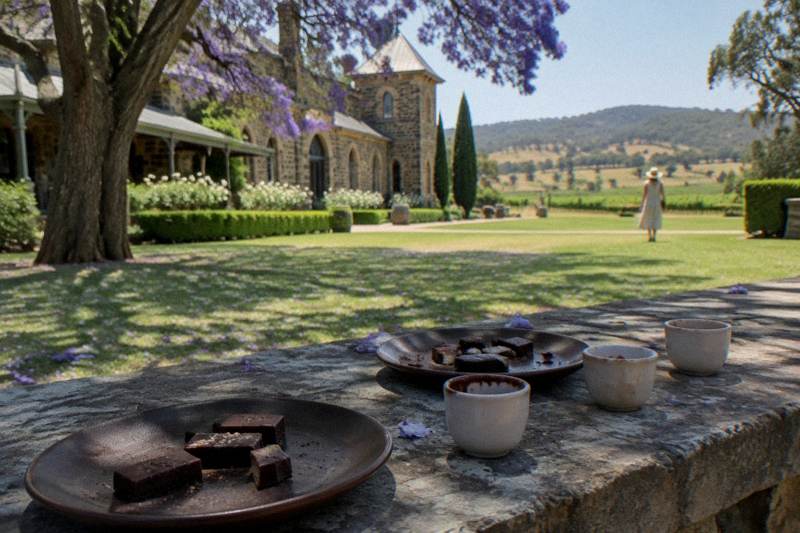
What Are Some Hidden Gems In Barossa Valley?
The quiet lookouts, markets, bushgardens and back roads of the Barossa that most day trips skip, and the tours that reach them.
The Barossa Valley is 70 km north-east of Adelaide, an hour's drive on the region's own accounting, and it holds over 150 wineries. Most first visits compress into the same handful of names on the main road between Nuriootpa and Tanunda. The gems sit a few minutes off that corridor: a lookout over the Eden Valley, a dam wall that carries a whisper across the water, a village market at 7.30 on a Saturday morning, native bushgardens on the edge of Angaston, and the country's first major European settlement at Bethany, from 1842.
None of these are invented secret spots. Every one comes from the region's own listings and visitor resources, and each is reachable on a self-drive day or, for several of them, on one of the guided tours listed on this site. This article walks through what each gem actually is, what it costs where a figure is printed, and how a private tailored day such as the Barossa Discovery Day fits the quiet corners in around the cellar doors.
What Are Some Hidden Gems In Barossa Valley?
The short answer: the Eden Valley Scenic Lookout, the Whispering Wall at Williamstown, the Barossa Sculpture Park on Mengler Hill, the Saturday farmers market in Angaston, the Barossa Bushgardens, Bethany's 1842 settler village streetscape, and the palm-lined stretch of Seppeltsfield Road. Each is free or carries no listed admission fee, and none needs a booking to enjoy. That list is drawn from the region's own listings and visitor resources rather than from a marketing pitch, and it deliberately sticks to places with printed access facts.
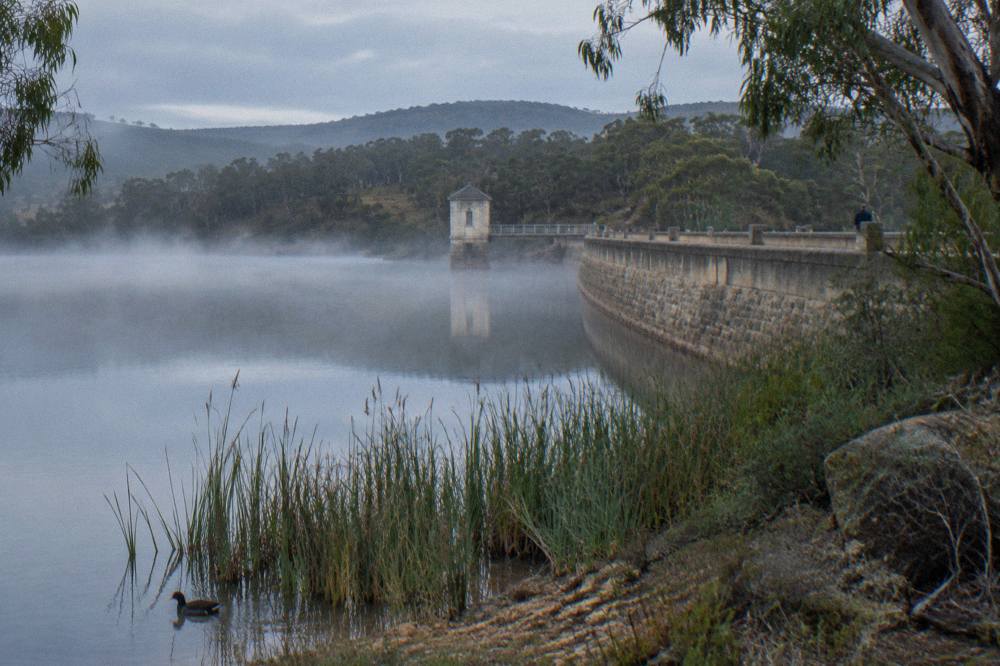
Start with the two that sit furthest from the wine corridor. The Eden Valley Scenic Lookout is listed as a free stop, and it frames the Barossa's high country: the Eden Valley region, the GI zone's second half, runs 2,292 hectares under vine against the Barossa Valley's 11,930, and its elevation band reaches higher, 219 to 632 metres against the valley's 112 to 596. The lookout is where that contrast becomes visible rather than a number. The Whispering Wall, the dam at the Barossa Reservoir near Williamstown, is the other free-listed oddity: its curve carries a whisper from one side to the other across the water, and the listing prints its hours, 8.30am to 5pm, extended to 6pm in daylight saving, and it closes on Total Fire Ban days. Those printed hours matter, because a fire ban day quietly deletes half the free itinerary.
Closer to the towns, the gems get more domestic. The Barossa Sculpture Park sits on Mengler Hill, where several of the tours listed on this site already stop for the view. No admission fee is listed for the park, and the same goes for the Tanunda Heritage Trail, a 2.5 km walk that begins at the Barossa Visitor Centre at 66-68 Murray Street, Tanunda. The Barossa Bushgardens, on the edge of Angaston, showcase the region's native plants, and again no admission fee is listed. And on Saturdays the Barossa Farmers Market runs 7.30am to 11.30am in Angaston, which makes it the earliest gem on the list and the one that rewards an early start.
For readers who want the full free list in one place, the site's budget guide to free things to do in the Barossa Valley covers these stops in more detail, including the Whispering Wall's fire-ban closure rule. The difference here is the angle: this article is about which gems pair well on a single day, and which tour formats can actually reach them.
If a guided day appeals more than a self-drive loop, three formats in the line-up suit gem-hunting particularly well: a private tailored day, a small-group day with lunch, and a guided e-bike ride between the villages.
How Do You Reach The Whispering Wall And The Eden Valley Lookout?
Both sit off the main valley corridor and neither is on a standard winery tour stop list, so a car or a private driver is the practical answer. The Whispering Wall is near Williamstown, on the valley's western side, and the Eden Valley Scenic Lookout is up in the high country east of the valley floor, roughly half an hour's drive apart through the hills. Neither carries a published drive time, so treat them as the bookends of a loop: wall in the west, lookout in the east, cellar doors in between.
The Whispering Wall rewards the visit with one of the region's genuinely strange free experiences. Stand at one end of the curved dam wall and speak quietly, and a person at the other end, well across the water, hears you clearly. The listing prints the access facts plainly: open 8.30am to 5pm, 6pm in daylight saving, closed on Total Fire Ban days. There is no fee. What the listing does not print is a café or cellar door, so it pairs best with something scheduled nearby rather than as a destination in itself.
The Eden Valley Scenic Lookout is the quieter sibling of the two. It is listed as free, and it is the place to see why the Barossa is two regions rather than one. The Eden Valley's plantings skew hard to Riesling, 28 percent of its tonnes, against Shiraz at 25, while the Barossa Valley floor runs Shiraz at 60 percent of its 48,183 tonnes in the 2026 Wine Australia snapshot. Two climates, two wine styles, one GI zone recognised in 1997. The lookout makes that split legible in a way no tasting room map does.
For travellers without a car, the honest answer is that these two are the hardest gems on the list. The public transport route into the Barossa, a train to Gawler then the LinkSA route 1110 bus toward Angaston, roughly two and a half hours with a change, lands you in the towns, not at the reservoir wall or the hilltop lookout. A private tour with pickup, such as the Barossa Discovery Day, which lists Adelaide and Barossa pickup and drop-off and a fully tailored route, is the format that can slot the wall in on the way up from Adelaide and still reach the valley floor by lunch. You can check the private tailored day's details on its tour page, or see current availability if the tailored-route angle is the one that fits your list of gems.
Which Small Towns And Streets Count As Hidden Gems?
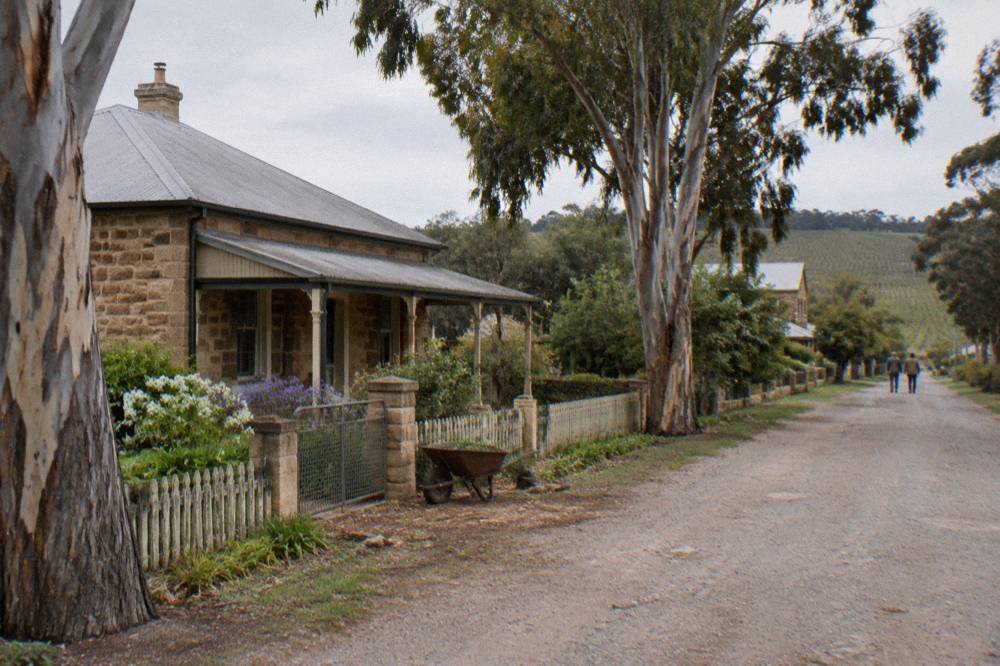
Bethany, on the outskirts of Tanunda, is the one with the printed history: it was the first major European settlement in the Barossa, in 1842, and its settler village streetscape still reads differently from the busier town centres. Beyond it, the palm-lined stretch of Seppeltsfield Road is the region's most photographed back road, and Angaston's Saturday morning market is the working village gem. None of these charge admission, and none need a booking.
Bethany's claim is printed on the region's own history page: Colonel William Light named the Barossa Range in 1837 after the Barrosa ridge in Andalusia, site of an 1811 Peninsula War battle he fought in, the modern spelling came from a clerical error, and there is no plain-English translation of the word. Bethany followed in 1842 as the first major European settlement. Walking Bethany's lane with that in your head changes the walk: the village predates most of the winery buildings people queue at, and it costs nothing but the twenty minutes it takes to stroll it.
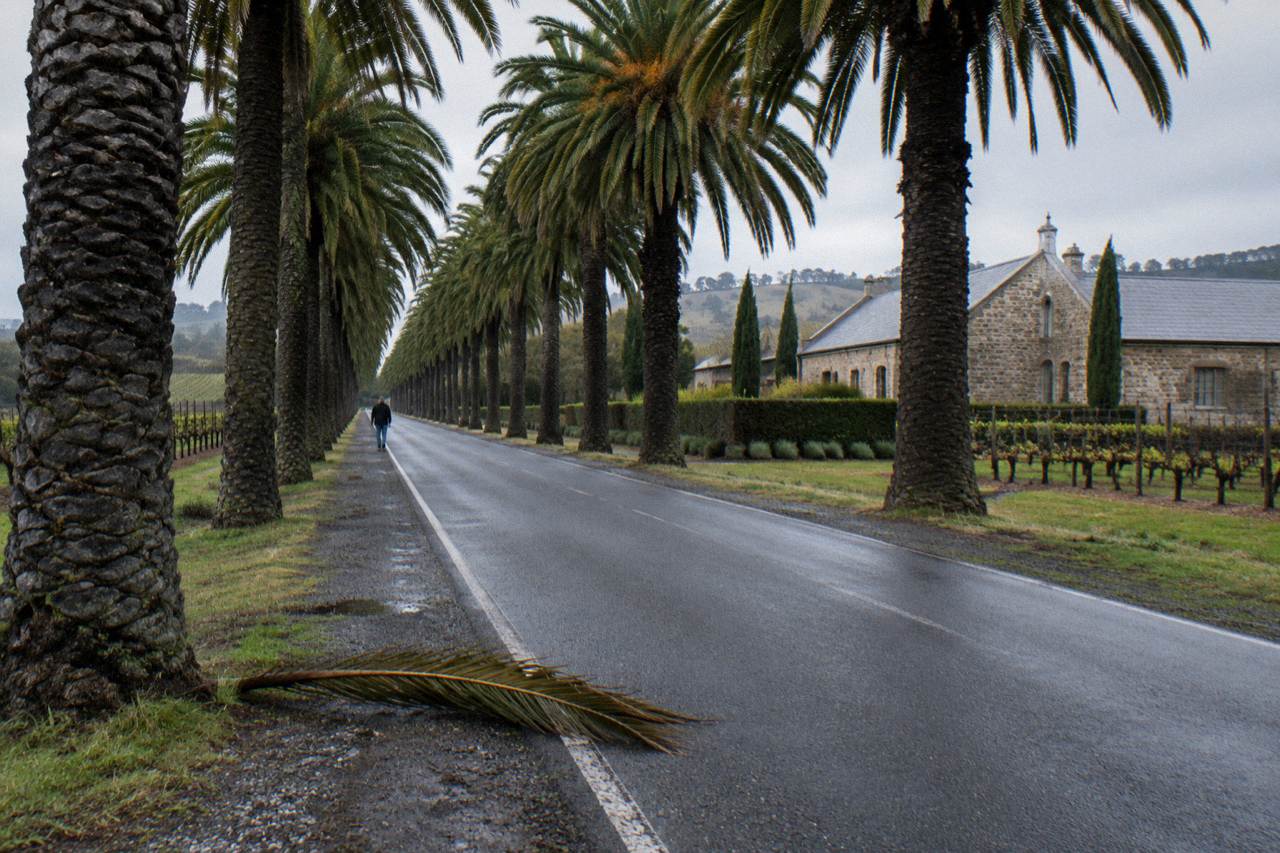
Seppeltsfield Road is the other free spectacle. Exactly how many palms line the avenue, and when they were planted, remains unclear, but the drive or ride beneath them toward the 1851-established Seppeltsfield estate is the region's signature back road. Seppeltsfield itself, established 1851, is a gem with substance behind it: the estate's cellar door states that tasting fees apply and group tastings are limited to 6 people, and its 175th Series, four Fridays in November 2026, is an anniversary celebration rather than a new opening, per the regional events pages. The estate's own tours and tastings page carries the current detail.
Angaston's market deserves its slot for a different reason: it is the only gem with a clock. Saturdays, 7.30am to 11.30am, printed in the listings, and gone by lunchtime. That makes it a natural first stop on a self-drive Saturday, or a stop a private driver can time on the way into the region. The market also solves the picnic problem that the lookouts create; the Bushgardens and the Sculpture Park are lovely places to sit with coffee and something local, and neither lists a food outlet.
For a sense of how the towns differ in character before routing a day, the site's piece on which Barossa town is considered the best breaks down Tanunda, Nuriootpa and Angaston, and the gems above split neatly across them: Bethany and the Visitor Centre trail at Tanunda, the market and Bushgardens at Angaston.
What Can You Do At Maggie Beer's Farm Shop Beyond The Shop?
Beyond browsing the shelves, the Nuriootpa farm shop offers bookable small-group experiences that turn a quick stop into a longer outing: you can watch a cooking demonstration, taste your way through a Pheasant Farm Wines and Orchard Gin tasting, or settle in for a grazing board lunch overlooking the dam. Those experiences are what turn a five-minute retail stop into a gem with a schedule attached, and they are also the reason several of the tours listed here route past the farm shop at all rather than skipping it as a quick photo stop.
The printed facts stop there, deliberately. The farm shop's experiences do not carry printed prices, so none are quoted here, and the shop shows up on several of the tours listed on this site as a stop rather than as a bookable in its own right. On the All Inclusive Barossa Valley Food and Wine Tour, from A$209 per person with SeaLink South Australia, Maggie Beer's Farm Shop is a named stop alongside Pindarie, Lambert Estate and Chateau Tanunda, with lunch and tastings included in the listing. On the Barossa to Hahndorf Wine Tasting and Lunch day, from A$179 per person with Bums on Seats, the farm shop visit is likewise printed on the itinerary. If the experience booking itself is the goal, the operator's own page is the place to check dates and prices. The rest of the planning pages sit on Barossa Valley Wine Tours.
The farm shop also anchors a wider truth about the region's food layer: the region's tourism site lists winery lunch options at FINO at Seppeltsfield, Kies Family Wines with its platter lunches, and Maggie Beer's own eatery, without printing their prices. A gem-hunting day that ends at one of those tables is a day that used its quiet corners well. The site's guide to Barossa lunch and restaurant options maps the lunch layer in full.
One of the tours we list puts the food and hidden gems pairing front and centre. The Premium Barossa Small Group Tour, from A$189 per person with See Adelaide, rated 4.9 from 1,697 reviews, runs an eight-hour small-group day with hotel pickup, lunch and a chocolate stop included, and its named stops include Kies Family Wines, Chateau Tanunda, Yalumba and the Avenue of Palms, which is the Seppeltsfield Road gem in itinerary form. A guest review on that listing calls it out plainly: "Amazing tour! Great guide, Sara, was lots of fun & had loads of great info about the areas we visited! All the vineyards were lovely and gave great info about their winemaking processes and local areas." For a reader whose gem list is palms, platters and old wineries rather than lookouts, that is the small-group format that matches.
Where Are The Quiet Cellar Doors Off The Main Drag?
The honest answer is that this site will not name "secret" cellar doors. The information that can be confirmed on openings and closures covers only the doors named in these pages, and three famous ones, Penfolds Nuriootpa, Grant Burge Meshach and Rolf Binder, have closed, so any hidden-gems cellar door list needs to come from doors with a confirmed status. What works is a route built on named, listed doors that sit off the Tanunda-Nuriootpa spine: Langmeil in Tanunda, with what is believed to be the world's oldest surviving Shiraz vineyard, the Freedom 1843; Kies Family Wines at Rowland Flat; and the Eden Valley doors up the hill from the lookout.
Langmeil carries the region's oldest printed vine claim, and the verified wording matters: the winery's own page says "founded in 1842 ... home of what is believed to be the world's oldest surviving Shiraz vineyard; The Freedom 1843", and Wine Australia's Shiraz page likewise says the oldest continuously productive Shiraz vines are believed to date to 1843 at Langmeil and 1847 at Turkey Flat. The word "believed" stays in every sentence, because that is what the sources print. Langmeil shows up as a named stop on two of the tours listed here: the Barossa Valley Cellar Door Small Group Tour with CP Tours and Charters, and the Small Tour Barossa Valley Voyager Tour. So it is reachable without a car too.
The closures are worth one plain paragraph, because gem-hunters ask. The Penfolds Barossa Valley cellar door at Nuriootpa closed in 2025, the Grant Burge Meshach cellar door shut in March 2025 with Grant Burge moving to the St Hugo site at Rowland Flat, and the Rolf Binder cellar door closed at the end of June 2025. None of the three should appear on a modern itinerary, and any older blog post routing you to them is out of date. The open alternatives, Langmeil, Kies, Chateau Tanunda, Yalumba, Seppeltsfield, carry the printed detail to plan around.
The table below pulls the gems and their printed access facts into one view, so a self-drive day can be sequenced around what actually opens when:
| Hidden gem | Where | Printed access facts |
|---|---|---|
| Eden Valley Scenic Lookout | Eden Valley high country | Listed as free |
| Whispering Wall (Barossa Reservoir) | Near Williamstown | Free; 8.30am to 5pm, 6pm daylight saving; closed Total Fire Ban days |
| Barossa Sculpture Park | Mengler Hill | No admission fee listed |
| Barossa Farmers Market | Angaston | Saturdays 7.30am to 11.30am |
| Barossa Bushgardens | Edge of Angaston | No admission fee listed |
| Tanunda Heritage Trail | Starts at Barossa Visitor Centre, Murray Street, Tanunda | 2.5 km walk; no admission fee listed |
| Bethany village | Outskirts of Tanunda | First major European settlement, 1842; no fee listed |
| Seppeltsfield Road palms | Rowland Flat to Seppeltsfield | Public road; no figures printed for the palms |
Sequencing matters more than the list does. The market sets the Saturday clock, the wall and the lookout need daylight and a fire-ban check, and the towns absorb whatever time is left. A self-drive loop that starts at the market, climbs to Mengler Hill, drops into Tanunda for the trail and Bethany, and finishes under the palms at Seppeltsfield covers seven of the eight gems in a full day, with cellar doors slotted in between.
Can You Reach The Hidden Gems Without A Car?
Partly. The town-based gems, the market, the Bushgardens, the Tanunda trail and Bethany, are walkable or cyclable from the towns themselves, and the Barossa Trail is a sealed off-road rail trail that supports cycling between them. The outliers, the Whispering Wall, the Eden Valley Lookout and Mengler Hill's sculpture park, sit outside walking range, so they need a vehicle, a bike with legs, or a driver. That split is the real answer, and it is why the tour formats on this site matter to a gem-hunter.
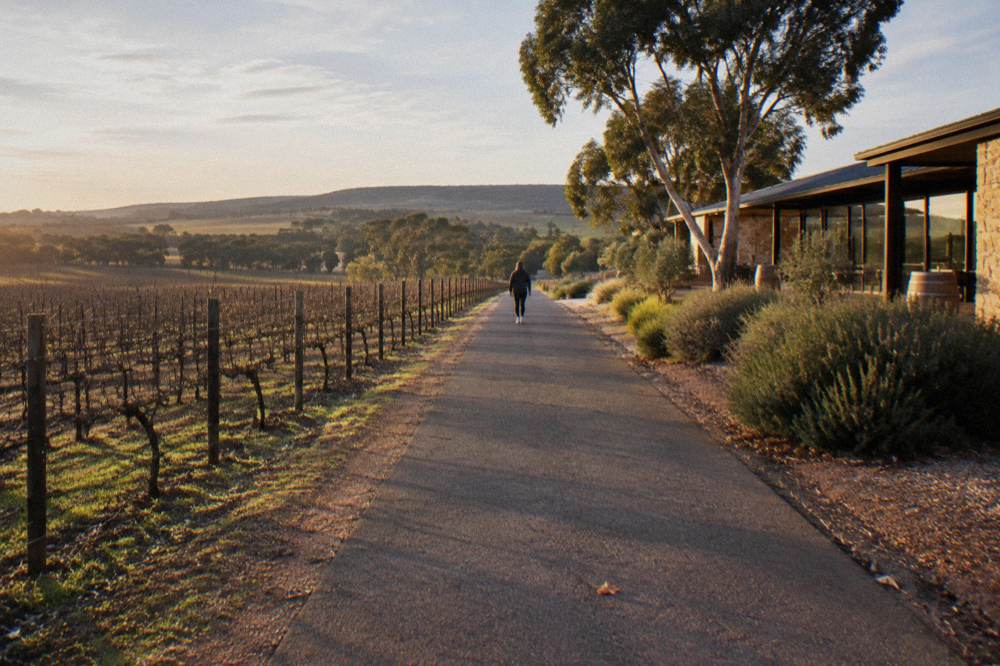
The e-bike option is the one most gem lists miss. Bike About runs the guided e-bike tour listed here from Angaston. It costs from about A$335 per person, runs six hours and 30 minutes, and carries a 5.0 rating from 33 reviews. The day includes an artisan platter lunch and wine tasting at Yalumba, coffee and cake at the Barossa Valley Chocolate Company, a rarities tasting at Artisans of the Barossa, and a cheese tasting at the Barossa Valley Cheese Company. That itinerary is a gems list in its own right, and the sealed trail network it rides on is the same corridor a self-guided cyclist would use between the towns. No official trail length is quoted here, so this article does not guess one.
The bus-based option trades reach for price. The Barossa Valley Hop-On Hop-Off Wine Tour with Trail Hopper, from A$100 per person and rated 4.9 from 442 reviews, runs an eight-hour hop-on hop-off loop between wineries and venues with transport and bottled water included, tasting fees and lunch not included. It is the format for a reader who wants to set their own pace between stops rather than follow a fixed coach day, and a guest review on the listing sums up the appeal: "This is a fabulous and easy way to see some of the best spots in the Barossa. Highly recommend you make Bethany Wines and Rusden Wines two of your stops!" Bethany Wines, notably, sits at the edge of the Bethany gem itself.
The private option remains the only one that reaches everything on the table above in a single day, because a tailored route has no fixed stops. The Barossa Discovery Day, from A$750 per group for up to six with Barossa Bespoke Tours, rated 5.0 from 63 reviews, lists Adelaide and Barossa pickup and drop-off and a private, tailored tour, with lunch and tasting fees not included. A review on that listing captures exactly why gem-hunters book it: "Kym was very knowledgeable about the area and wines. He took us to amazing wineries and booked us the perfect spot for lunch. We learned so much and bought so much wine. 10/10 recommend." The tailored format is the mechanism: the wall, the lookout and Bethany are requests, not detours.
For readers weighing the whole question of car versus tour, the site's comparison piece on whether a Barossa wine tour is worth it or whether you should drive works through the drink-driving logic in full. The short version from the official road rules: full licence holders must not drive with a blood alcohol concentration of 0.05 or more, and police can run random breath testing near any road. A gems day that ends with a driver is a gems day with tastings in it.
Which Tour Format Fits A Hidden-Gems Day Best?
Three formats among the tours on this site pair naturally with the gems list: a private tailored day for the outliers, a small-group day with lunch for the town-based gems and the palm avenue, and a guided e-bike day for the trail-linked villages. The choice comes down to which gems are non-negotiable, because the outliers, the wall, the lookout, Mengler Hill, are the ones a fixed itinerary can strand.
The comparison below keeps to the published tour details, with "not stated" left exactly as the listings leave it:
| Tour (operator) | Format | From | Duration | Lunch | Tasting fees |
|---|---|---|---|---|---|
| Barossa Discovery Day (Barossa Bespoke Tours) | Private, tailored | A$750 per group, up to 6 | 8 hours | Not included | Not included |
| Premium Barossa Small Group Tour (See Adelaide) | Small group | A$189 per person | 8 hours | Included | Not stated |
| Experience Barossa Valley by E-bike (Bike About) | Guided group | About A$335 per person | 6 hours 30 minutes | Included | Not stated |
| Barossa Valley Hop-On Hop-Off Wine Tour (Trail Hopper) | Hop-on hop-off | A$100 per person | 8 hours | Not included | Not included |
The private row is priced per group, so it never compares directly with the per-person rows without saying the basis, and at a full six guests the per-head arithmetic changes the picture. The e-bike row is the only one that puts the trail network itself at the centre of the day. The hop-on hop-off row is the budget entry, with the caveat that tasting fees and lunch are printed as not included. Each of these formats reaches a different slice of the gems table, and the site's hub for private and luxury Barossa tours holds the fuller private comparison for readers going that way.
One planning note: the gems list and the vintage calendar interact. Harvest runs about February to April, and the 2026 report describes a later-than-usual vintage with March rains at Nuriootpa of 56 mm, nearly three times the average, so an autumn gems trip coincides with the region's most active season on the vine. The long-term climate means from the Nuriootpa station put autumn daytime maxima around 25.7 in March and 21.4 in April against 28.8 in January, which is the comfortable end of the walking-and-cycling range the town gems reward. For the seasonal framing in full, the site's piece on the best month to visit the Barossa Valley does that job properly.
However the day is built, the gems are the reason to leave the main road at all. The region's own history page puts the whole thing in one sentence: a name given in 1837 by a surveyor who fought at Barrosa, misspelled by a clerk, and settled from Bethany in 1842 onward. The wall that whispers, the hill with the sculptures and the market at 7.30 on a Saturday are the quiet continuations of that story, and none of them cost a cent where a fee is printed.
Common Questions About Hidden Gems In Barossa Valley
What Are Some Hidden Gems In Barossa Valley?
The Eden Valley Scenic Lookout, the Whispering Wall near Williamstown, the Barossa Sculpture Park on Mengler Hill, the Saturday farmers market in Angaston, the Barossa Bushgardens, the 1842 settler village at Bethany, and the palm-lined Seppeltsfield Road. Each is free or carries no listed admission fee, and all come from the region's own listings and visitor resources.
Is The Whispering Wall Free To Visit?
Yes, it is listed as a free stop. It opens 8.30am to 5pm, extended to 6pm in daylight saving, and it closes on Total Fire Ban days, so check the fire rating before planning the drive.
Can You Reach The Hidden Gems Without A Car?
Partly. The town-based gems such as the Angaston market, the Bushgardens, the Tanunda Heritage Trail and Bethany are walkable or cyclable from the towns, and the sealed Barossa Trail links them. The Whispering Wall, the Eden Valley Lookout and Mengler Hill sit outside walking range and need a vehicle, an e-bike with a good route, or a private driver.
Which Tour Best Suits A Hidden-Gems Day?
A private tailored day such as the Barossa Discovery Day, from A$750 per group for up to six, is the format that can fold the outliers into a custom route. Small-group and e-bike days cover the town gems, the palm avenue and the trail network at lower per-person prices.
Are Any Famous Barossa Cellar Doors Closed?
Yes. The Penfolds Nuriootpa, Grant Burge Meshach and Rolf Binder cellar doors have all closed, so leave them off your list. Route to confirmed-open doors such as Langmeil, Kies Family Wines, Chateau Tanunda, Yalumba and Seppeltsfield instead.
When Is The Best Season For A Hidden-Gems Trip?
Autumn pairs the gems with harvest activity, which runs about February to April, and the long-term climate means from Nuriootpa put March and April daytime maxima at 25.7 and 21.4 degrees, comfortable for walking and cycling. The next Barossa Vintage Festival runs 21 to 25 April 2027 for a gems trip with a festival attached.