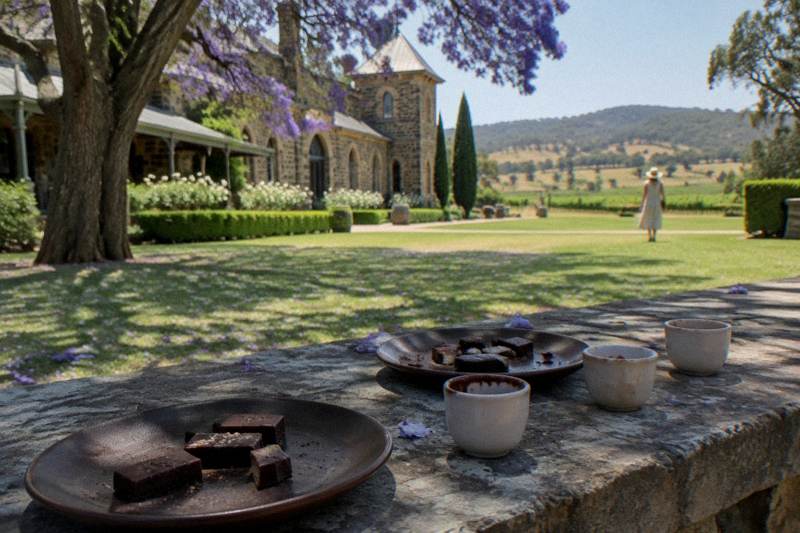
How Many Wineries Should You Visit In A Barossa Day?
A Barossa day trip sounds like a licence to dash from cellar door to cellar door, but the tours that run here every day tell a different story. The number of wineries you can genuinely enjoy sits at four or five, not ten. Here is why the count matters, how the top small-group and coach tours pace the day, and what happens when you try to squeeze in one more.
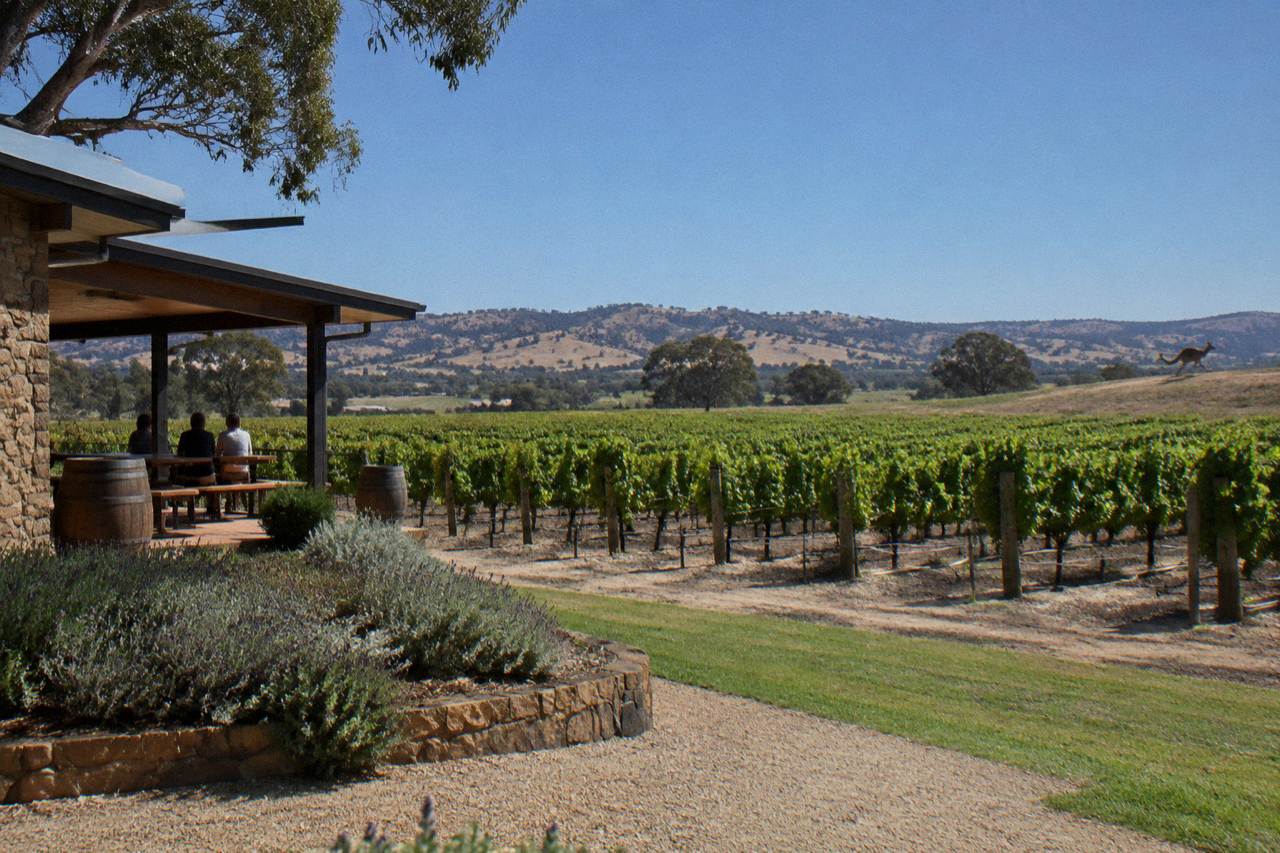
Short answer
Most guided Barossa Valley wine tours visit three to five wineries in a full day, with a sit-down lunch and travel between stops. The cellar-door small-group day lists four wineries, the premium small-group tour covers three to four, and the hop-on hop-off bus lets you design a faster-paced day of about four or five stops. Time per tasting runs 45 to 60 minutes, so five is a practical ceiling before palate fatigue sets in.
The Barossa packs more than 150 wineries into a valley only an hour from Adelaide, so the temptation to tick off as many as possible is real. Barossa Valley Wine Tours has 26 live listings on the books, and nearly every full-day tour lands on three to five cellar doors, not seven or eight. That is not a shortcoming, it is the pace that keeps the day enjoyable, the palate awake, and the drive home safe.
The tours themselves reveal the pattern. The cellar-door small-group tour lists four wineries selected by the driver from a set itinerary, plus a clubhouse lunch. The premium small-group day with chocolate tasting visits three to four cellar doors alongside a chocolate stop and a regional platter lunch. A coach day with four tastings and a gourmet vineyard lunch moves through four wineries and a village stop. Even the hop-on hop-off bus, which hands the schedule to you, rarely fits more than five stops into eight hours once travel and tasting time are counted.
How Many Wineries Do Most Barossa Tours Visit In A Day?
Most guided full-day Barossa wine tours visit three to five wineries. The cellar-door small-group tour lists four wineries with a clubhouse lunch. The premium small-group day covers three to four cellar doors plus a chocolate tasting. The small-group tour with lunch from Adelaide Sightseeing visits three wineries, and the coach tour with four tastings stops at four. The hop-on hop-off bus can reach five, but the pace is yours to manage.
The count is built into the tour design, not a limit you need to negotiate. A tour that promises four wineries has already mapped the travel time between them, booked the tasting slots, and left room for a relaxed lunch. The cellar-door small-group tour, for example, moves through Langmeil, Chateau Tanunda, Ubertas, and Rusden, with tasting fees included and a meal at the Tanunda Clubhouse. The premium small-group day weaves in Kies Family Wines, Chateau Tanunda, Yalumba, and Rosenvale, plus a private barrel-room tasting at Kies and a chocolate stop at Melba’s. In both cases, the operator has done the maths on how many stops a group can enjoy before attention frays.
Even tours that sound open-ended settle into a similar rhythm. The hop-on hop-off bus lets you choose your own stops from a route that covers the valley, but the operator’s own advice is to plan four or five visits. A guest review on the listing calls it “a fabulous and easy way to see some of the best spots in the Barossa” and recommends Bethany Wines and Rusden Wines as two of those stops. The bus runs on a fixed loop, so you are still working within an eight-hour window, and every tasting takes time. For a deeper look at how tasting fees shape the day, see our guide to Barossa wine tasting fees.
How Long Does A Winery Visit Take?
A standard cellar-door tasting in the Barossa runs 45 to 60 minutes. Seated experiences at Henschke take about an hour. Jacob’s Creek runs timed flights with the last slot at 3.30pm, and Seppeltsfield limits group tastings to six people. A tour that visits four wineries and includes lunch and travel will fill eight hours comfortably, not hastily.
Tasting time is not just about pouring wine. A structured flight at a cellar door like Kaesler, where the Premium Estate Tasting costs A$20 per person and is redeemable on bottle purchase, includes a guided walk through the range. At Henschke, tastings start from A$20 per person and the seated experience runs close to an hour, with bookings recommended for groups. Jacob’s Creek charges A$15 to A$30 per flight depending on the tier, and the last booking sits at 3.30pm, so a late-afternoon dash is not an option. The time adds up fast: four wineries at 50 minutes each is over three hours of tasting alone, before you add the hour’s drive from Adelaide, lunch, and the short hops between cellar doors.
Tour operators build the day around that reality. The cellar-door small-group tour starts with a morning pickup in Adelaide, reaches the first winery by mid-morning, and wraps the last tasting before the drive back. Lunch at the Tanunda Clubhouse is a sit-down affair, not a rushed sandwich, so the four wineries feel spacious. The premium small-group day follows a similar arc, with a regional platter lunch at Kies Family Wines and a chocolate stop that breaks up the tasting rhythm. Neither tour tries to squeeze in a fifth cellar door, because the fourth already lands in the late afternoon.
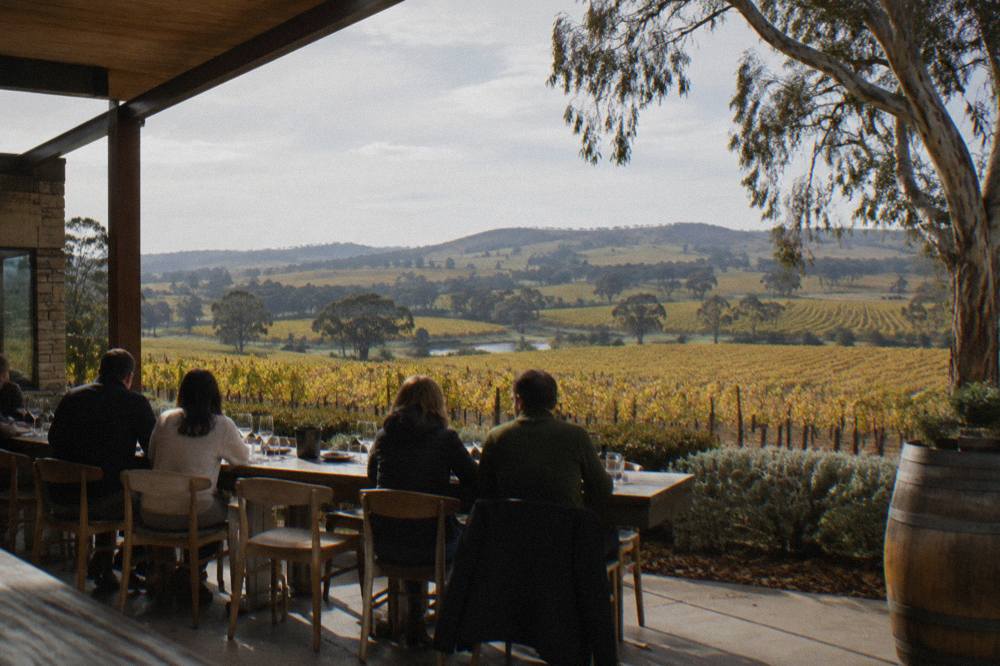
Why Visiting More Than Five Wineries In A Day Can Backfire
Palate fatigue sets in after four or five structured tastings, and South Australia’s drink-driving laws make a self-driven multi-stop day risky. A full licence holder must stay under 0.05 BAC, random breath testing is common, and a first offence under 0.08 means an expiation notice and four demerit points. A tour with a designated driver removes both problems at once.
The science of tasting is straightforward: your palate loses acuity after a run of full-bodied reds, which is exactly what the Barossa pours. Shiraz makes up 60 percent of the valley’s crush tonnes, and the region’s signature style is concentrated and textural. After four flights of that weight, most people stop tasting the difference between one wine and the next. The tours that cap at four or five stops are not being conservative, they are protecting the experience.
Drink-driving is the harder constraint. South Australia’s legal limit for a full licence is a blood alcohol concentration of 0.05 or more, and police can set up random breath testing stations near any road. A first offence under 0.08 brings an expiation notice and four demerit points; a second or subsequent offence under 0.08 means disqualification. Even a responsible driver who spits rather than swallows is still absorbing small amounts of alcohol over several hours, and the only way to be certain is to hand the keys to someone else. A tour driver is that someone else, and the cellar-door small-group tour picks up from your hotel or motel, so the day begins and ends without a car.
How Tour Operators Pace The Day
Tour operators spread three to five winery visits across eight hours by building in a sit-down lunch, a non-wine stop, and travel time between cellar doors. The cellar-door small-group tour includes a clubhouse lunch and moves through four wineries with tasting fees covered. The premium small-group day adds a chocolate stop and a private barrel-room tasting, keeping the rhythm varied.
The stop list on a Barossa tour reads like a curated playlist, not a checklist. The cellar-door small-group tour visits Langmeil, Chateau Tanunda, Ubertas, and Rusden, but the day also includes a meal at the Tanunda Clubhouse and commentary from the driver between stops. The premium small-group day layers in a private structured tasting at Rosenvale Vineyards, a self-guided tour at historic Chateau Tanunda, and a chocolate tasting at Melba’s, so the palate gets a reset between reds. The small-group tour from Adelaide Sightseeing stops at Pindarie for morning tea and a tasting, then Lambert Estate for lunch and wine, then Chateau Tanunda for a guided tour and another tasting, before a photo stop at Maggie Beer’s Farm Shop. That is three wineries, but the day feels full because each stop has a distinct purpose.
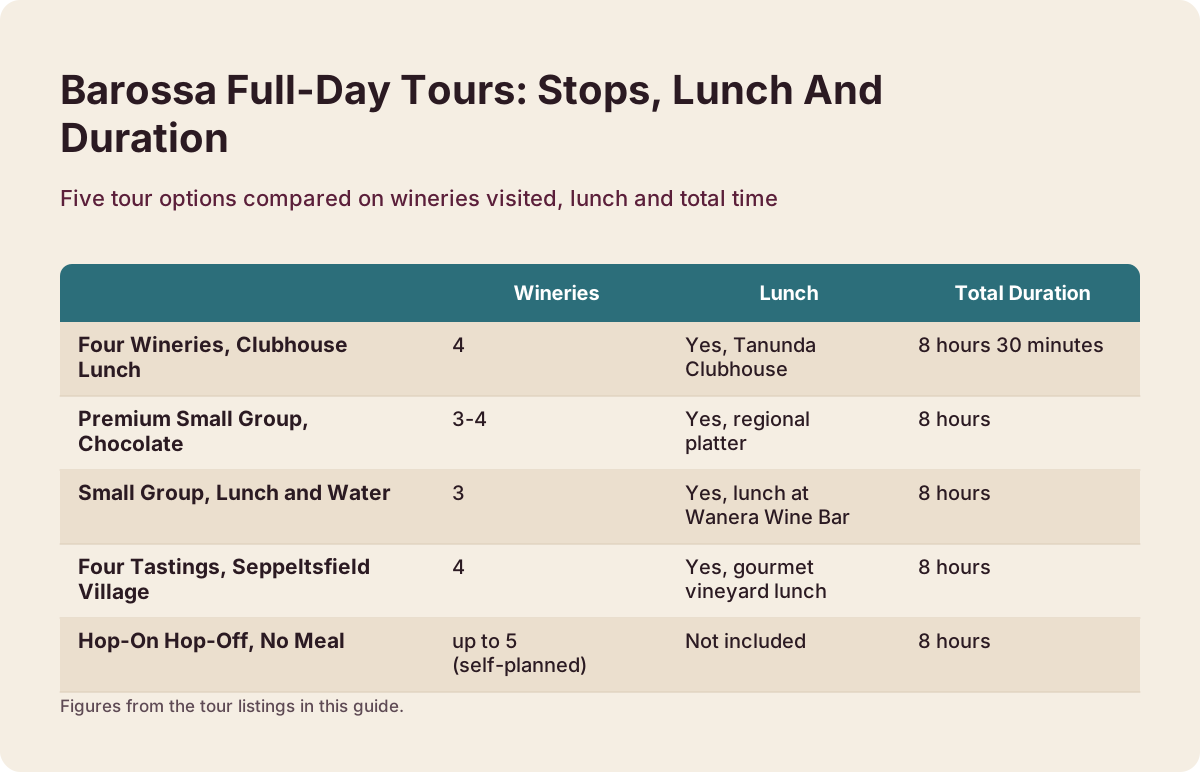
A table of stop counts across several tours makes the pattern clear.
| Tour (Decision Name) | Wineries Visited | Lunch Included | Non-Wine Stop | Total Duration |
|---|---|---|---|---|
| Four Wineries, Clubhouse Lunch | 4 | Yes, Tanunda Clubhouse | No | 8 hours 30 minutes |
| Premium Small Group, Chocolate | 3-4 | Yes, regional platter | Melba's Chocolates | 8 hours |
| Small Group, Lunch and Water | 3 | Yes, lunch at Wanera Wine Bar | No | 8 hours |
| Four Tastings, Seppeltsfield Village | 4 | Yes, gourmet vineyard lunch | Seppeltsfield Village, artisan chocolate | 8 hours |
| Hop-On Hop-Off, No Meal | up to 5 (self-planned) | Not included | No | 8 hours |
The tours that list four wineries do not feel rushed because the lunch break lasts an hour or more and the drives between cellar doors rarely exceed 15 minutes. The hop-on hop-off bus can reach five stops, but you trade the sit-down meal for a faster pace and pay for each tasting separately.
What About Hop-On Hop-Off And Self-Guided Options?
The hop-on hop-off bus lets you design your own day and visit four or five cellar doors, but tasting fees are not included and lunch is on you. The self-drive Taste and Graze trail covers three food-and-wine experiences in four hours, so the winery count is low. Both options require you to manage your own pace and alcohol intake.
The hop-on hop-off tour runs a loop through the Barossa with a set of partner cellar doors, and you hop off at the ones that interest you. The operator’s own advice is to plan four or five stops, and a guest review on the listing calls out Bethany Wines and Rusden Wines as two of the best. Tasting fees are not included, so you pay at each cellar door, typically A$10 to A$30 per flight. The bus runs on a timetable, so missing a pickup means waiting for the next loop, which eats into your tasting time. It is a flexible option, but the winery count still lands in the four-to-five range if you want to stay within the eight-hour window.
The self-drive Taste and Graze trail is a different animal. It packs three curated food-and-wine experiences into four hours, with a fixed price of A$90 per person. The stops are chosen for you, and the focus is as much on cheese and tapas as on wine. You will not visit more than three venues, and you are driving yourself, so the alcohol maths applies. For a day that is about wine first, a guided tour with a driver is the safer bet. Our guide to small-group Barossa wine tours compares the options in detail.
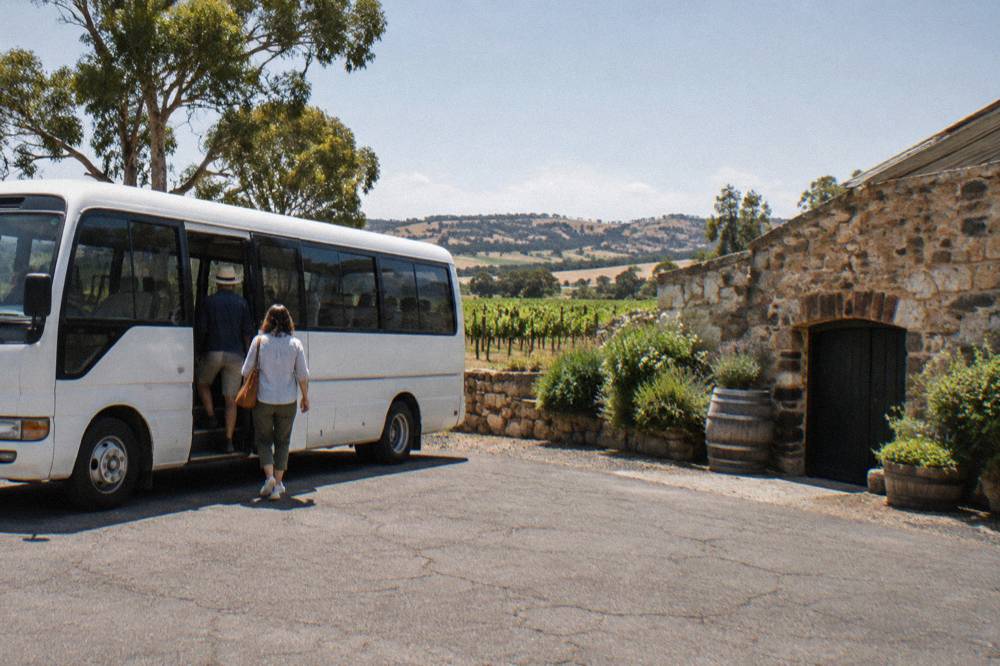
How Many Wineries Can You Fit In A Half-Day?
A half-day tour or a self-planned morning can cover two wineries comfortably. The private BMW sedan tour runs five hours and visits a tailored selection of cellar doors, but with travel time and tasting, two to three stops is realistic. A three-and-a-half-hour trike tour for two is built around the ride, not the tasting count.
The private Barossa Valley Wine Region Tour from Adelaide runs five hours in a BMW 5 Series sedan, with pickup from designated meeting points. The operator tailors the stops to your preferences, but the time frame means two, maybe three cellar doors before the return drive. The unique trike half-day private tour for two lasts three and a half hours and is a scenic ride through the valley with a helmet and a guide, not a tasting marathon. Both are designed for a different kind of day, one where the winery count is secondary to the experience.
If you are driving yourself and want to stay under the legal limit, two wineries in a morning is a sensible ceiling. A tasting at Kaesler (open seven days, 10am to 5pm) followed by a seated flight at Henschke (bookings recommended) would fill a morning without pushing the alcohol limit. But you would miss the lunch and the guided commentary that a full-day tour provides.
Tasting Fees And Booking: The Hidden Time Costs
Tasting fees in the Barossa run roughly A$10 to A$30 per person for a standard flight, and several top cellar doors require bookings or have timed slots. Jacob’s Creek closes tastings at 3.30pm, Henschke recommends bookings for groups, and Seppeltsfield caps group tastings at six people. A self-planned day that chases too many cellar doors will hit a booking wall or run out of time.
The cellar doors that appear on the region’s most-booked tours have systems in place that reward planning. Jacob’s Creek charges A$15 for a Light and Fresh flight, A$20 for Limited Release, and A$30 for the Cellar Collection, none of which are redeemable on purchase, and the last slot is 3.30pm. Kaesler’s Premium Estate Tasting is A$20, redeemable on a bottle, and the cellar door is open seven days. Henschke tastings start at A$20, with the fee waived or redeemed on standard purchases but not always on premium or old-vine flights, and the seated experience takes about an hour. Seppeltsfield charges A$15 for a standard tasting, redeemable on purchase, and limits group tastings to six people. A tour that includes tasting fees, like the cellar-door small-group day, removes both the cost and the booking hassle from your plate.
A table of tasting fees at cellar doors visited on these tours shows the range.
| Cellar Door | Standard Tasting Fee (per person) | Redeemable on Purchase | Booking Note |
|---|---|---|---|
| Jacob's Creek | A$15 to A$30 | No | Bookings essential, last slot 3.30pm |
| Kaesler | A$20 | Yes | Open 7 days, 10am to 5pm |
| Henschke | from A$20 | Yes (standard options, not always premium) | Bookings recommended for groups, seated ~1 hour |
| Yalumba | A$10 | Yes | Open Tue to Sun 10am to 5pm, Mon 11am to 5pm |
| Seppeltsfield | A$15 | Yes | Group tastings limited to 6 people |
The fees add up. A self-guided day that visits four cellar doors at A$20 each costs A$80 per person in tastings alone, before lunch and transport. A tour that bundles tasting fees into the price, like the cellar-door small-group day at A$189, often works out cheaper than driving yourself once you factor in fuel, lunch, and the cost of a missed tasting because you arrived without a booking.
What Do The Numbers Look Like Across Different Tour Styles?
Small-group tours visit three to four wineries with a sit-down lunch. Coach tours cover four wineries with a village stop. Private tours are tailored, but an eight-hour private day typically lands on three to five cellar doors. The hop-on hop-off bus can reach five, and self-guided trails cap at three experiences.
The tour style shapes the winery count as much as the clock does. A small-group tour with a maximum of six or eight guests spends longer at each stop because the guide can tailor the commentary and the group moves at a single pace. The max-6-guests tour with a restaurant lunch visits a tailored selection of cellar doors over eight to nine hours, with tasting fees included and a multi-course lunch. The private luxury full-day tour is fully flexible, but the eight-hour window still means three to five wineries if you want to include lunch and travel. A coach tour with 20 or more guests moves faster through the stops, but the winery count stays at four because the day includes a long lunch and a village walk (see Barossa And Hahndorf).
A comparison table of tour styles and their typical winery counts helps planners choose.
| Tour Style | Typical Wineries Visited | Lunch | Tasting Fees | Example Tour |
|---|---|---|---|---|
| Small-group (max 6-8) | 3 to 4 | Included, sit-down | Often included | Max 6 Guests, Restaurant Lunch |
| Small-group (shared) | 3 to 4 | Included, regional platter | Usually included | Premium Small Group, Chocolate |
| Coach group | 4 | Included, vineyard lunch | Not stated, check listing | Four Tastings, Seppeltsfield Village |
| Hop-on hop-off | up to 5 (self-planned) | Not included | Not included | Hop-On Hop-Off, No Meal |
| Private (full-day) | 3 to 5 (tailored) | Not always included | Varies | Private Tailored Day, No Lunch |
| Self-guided trail | 3 experiences | Not included | Not stated | Taste and Graze Food and Wine Trail |
The small-group tours that include tasting fees and lunch offer the most predictable winery count, because the operator has already booked the slots and balanced the day. The hop-on hop-off bus gives you the highest potential count, but you trade the guided narrative and the included lunch for that flexibility.
Can You Visit Wineries Without A Tour And Still See Enough?
Driving yourself limits you to two, maybe three cellar doors if you stay under the 0.05 BAC limit and factor in random breath testing. A self-driven day also means you manage bookings, tasting fees, and lunch yourself, and you miss the commentary and the cellar-door access that a guided tour provides. The cellar-door small-group tour visits four wineries with a driver, so the trade-off is clear.
The Barossa’s cellar doors are spread across a valley that is about 25 kilometres end to end, so driving between them is quick. But the drink-driving maths is unforgiving. A standard tasting flight pours around 75 to 100 millilitres of wine across four to six samples, and even if you spit, some alcohol is absorbed through the mouth. After two flights, a person of average weight can be close to the 0.05 limit, and police can set up random breath testing stations near any road. A first offence under 0.08 means an expiation notice and four demerit points; a second or subsequent offence brings disqualification. The risk is not worth the extra cellar door.
A tour removes that calculation entirely. The cellar-door small-group tour picks up from your hotel or motel, visits four wineries with tasting fees included, and drops you back at the end of the day. The driver is a local guide who knows the valley’s history and can get you into cellar doors that require bookings. A guest review on the listing calls it “amazing” and says the guide “took us to the most wonderful vineyards for wine tasting” and the lunch was “exceptional.” That is the day a self-drive cannot replicate.
How Many Wineries Can You Visit If You Are Staying In The Barossa?
Staying in Tanunda, Nuriootpa or Angaston cuts out the hour’s drive from Adelaide, so you can add a fifth winery or start earlier. The six-hour small-group tour with Barossa pickup visits three wineries with lunch and tasting fees included, and a private tour that picks up from your Barossa accommodation can stretch to five stops if you skip lunch or shorten the tastings.
The six-hour Barossa Valley Wine Experience with Lunch and Scenic Sights picks up from the Barossa region and visits three wineries with a sit-down lunch, tasting fees included, and leather-seated transport. It is designed for visitors who are already in the valley and want a shorter, focused day. A private tour like the Barossa Discovery Day, which picks up from Adelaide and Barossa, can be tailored to your preferences, but the eight-hour window still means three to five cellar doors if you want to include lunch. Staying in the Barossa gives you the option to start at 9am instead of 10am, but the tasting-room hours still close by 5pm, so the extra hour buys you one more stop at most.
The hop-on hop-off bus also works well for Barossa-based visitors, because you can join the loop at any stop and design a day that starts and ends near your accommodation. The winery count still lands at four or five, because the bus timetable and the tasting fees set the pace.
What Is The Ideal Number Of Wineries For A Relaxed, Memorable Day?
Four wineries with a long lunch is the sweet spot that most guided tours aim for. Three can feel light if you are a keen taster; five works if you move quickly and skip the sit-down meal. The cellar-door small-group tour, the premium small-group day, and the coach tour with four tastings all land on four, and the guest reviews suggest that is where the day feels full but not rushed.
The tours that score 4.8 and 4.9 across thousands of reviews are not the ones that cram in six stops. The cellar-door small-group day holds a 4.8 from 545 reviews, and a guest calls the trip “amazing” and the lunch “exceptional.” The premium small-group day sits at 4.9 from 1,697 reviews, with a guest saying the guide “had loads of great info” and the vineyards were “lovely.” Both tours visit four wineries. The small-group tour with lunch from Adelaide Sightseeing, which visits three wineries, holds a 4.6 from 109 reviews, and guests mention the comfortable trip and the good pub lunch. The pattern is consistent: a well-paced day with three or four wineries and a proper meal earns high ratings because it leaves room for the experience, not just the count.
The hop-on hop-off bus can reach five, but the trade-off is that you pay for each tasting and find your own lunch, so the day can feel more transactional. For a day that feels like a Barossa immersion, four wineries with a driver, a guided tasting, and a long lunch is the number the tours themselves have settled on.
How Do The Numbers Compare To Other Wine Regions?
McLaren Vale tours, which run closer to Adelaide, often visit three to four cellar doors in a day, similar to the Barossa. Clare Valley tours, about an hour and a half away, also settle on three to four. The Barossa’s larger number of cellar doors does not translate to a higher daily count, because the tasting time and travel distances are comparable.
The Barossa has more than 150 wineries, McLaren Vale has over 80, and Clare Valley is smaller again, but the daily winery count across all three regions sits in the three-to-five range. The drive from Adelaide to McLaren Vale is about 40 minutes, compared to an hour to the Barossa, so a McLaren Vale tour might start tasting 20 minutes earlier, but the cellar-door hours still close by 5pm. The Barossa’s advantage is the depth of old-vine Shiraz and the historic estates like Seppeltsfield and Langmeil, not a higher tally of stops. The cellar-door small-group tour’s four wineries include Langmeil, home of what is believed to be the world’s oldest surviving Shiraz vineyard, planted in 1843. That is a stop worth an hour, not a tick on a list.
What Happens If You Try To Visit Six Or More?
Six wineries in eight hours means roughly 40 minutes per stop, including travel, tasting, and any purchase. That pace leaves no time for lunch, no buffer for a slow tasting, and a high chance of palate fatigue and a rising blood alcohol reading. The tours that list four or five stops are designed to avoid exactly that.
A self-planned day that targets six cellar doors might start at 10am and aim to finish by 5pm, with 30 minutes of travel between stops. That leaves 40 minutes per cellar door, which is barely enough for a structured tasting at a place like Henschke, where the seated experience runs an hour. You would need to skip lunch or eat in the car, and by the fourth stop, the difference between one wine and the next blurs. The drink-driving risk also compounds: even with spitting, six tastings over a day can push a driver over the 0.05 limit, and random breath testing is common on Barossa roads (see Tours Without Drinking).
The tours that cap at four or five are not leaving wineries on the table, they are leaving room for the day to breathe. The cellar-door small-group tour’s four wineries include a clubhouse lunch and a guided commentary between stops, so the day feels leisurely, not sparse. A guest review on the premium small-group day calls it “highly recommended” even for non-wine lovers, because the pace makes the experience accessible.
How Do Tasting Fees Affect The Winery Count?
Tasting fees of A$10 to A$30 per cellar door add up quickly on a self-guided day. A four-winery day at A$20 per tasting costs A$80 per person before lunch and transport. Tours that include tasting fees, like the cellar-door small-group day at A$189, often work out cheaper than driving yourself once you factor in the full cost of the day.
The cellar doors featured on these tours charge a range of fees. Jacob’s Creek flights are A$15 to A$30 and are non-redeemable. Kaesler charges A$20, redeemable on a bottle. Henschke starts at A$20, with the fee waived on standard purchases but not always on premium flights. Yalumba charges A$10, redeemable, and Seppeltsfield charges A$15, also redeemable. A self-planned day that visits four of these cellar doors costs A$60 to A$100 in tastings alone, and you still need to pay for lunch and fuel.
The cellar-door small-group tour includes tasting fees at all four wineries, plus a clubhouse lunch, hotel pickup and drop-off, and a driver-guide, for A$189 per person. The premium small-group day includes tasting fees at three or four cellar doors, a regional platter lunch, and a chocolate tasting, for the same price. The hop-on hop-off bus charges A$100 per person but does not include tasting fees or lunch, so the total cost can exceed the all-inclusive tours if you visit four cellar doors and buy a meal. The maths favours the bundled tour for anyone who plans to visit more than two wineries.
Common Questions About How Many Wineries To Visit In A Day
How many wineries can you realistically visit in a Barossa day?
Most guided tours visit three to five wineries in a full day. Four is the most common count, with a sit-down lunch and travel between stops. The hop-on hop-off bus can reach five, but you manage your own pace and pay for tastings separately.
Is four wineries in a day enough?
Four wineries with a long lunch is the sweet spot that the highest-rated tours aim for. It leaves time for a structured tasting at each stop, a relaxed meal, and the drive back to Adelaide without feeling rushed. Guest reviews on the cellar-door small-group and premium small-group tours consistently describe the pace as just right.
Can you visit more than five wineries in a day?
It is possible on the hop-on hop-off bus or a tightly planned self-drive, but palate fatigue and the drink-driving limit make it impractical. Most cellar doors close by 5pm, and timed tasting slots at places like Jacob’s Creek and Henschke mean you cannot simply stack visits back to back.
How long does a winery tasting take in the Barossa?
A standard tasting runs 45 to 60 minutes. Seated experiences at Henschke take about an hour. Jacob’s Creek runs timed flights, and Seppeltsfield caps group tastings at six people. A tour that visits four wineries fills eight hours with lunch and travel included.
Do Barossa wine tours include tasting fees?
Some do and some do not. The cellar-door small-group tour and the premium small-group day include tasting fees. The hop-on hop-off bus and the self-drive trail do not. Always check the listing, because it states whether tasting fees are included, not included, or not stated.
Is it better to take a tour or drive yourself?
A tour with a driver removes the drink-driving risk entirely. South Australia’s limit is 0.05 BAC, and random breath testing is common. A self-drive limits you to two or three cellar doors if you stay under the limit. A tour lets you visit four or five and includes lunch, commentary, and often tasting fees.