Is The Barossa Valley Worth Visiting?
An honest assessment of whether the Barossa Valley deserves your day: who it suits, what a guided tour delivers, current prices from the tours listed here, and the reasons to skip it.
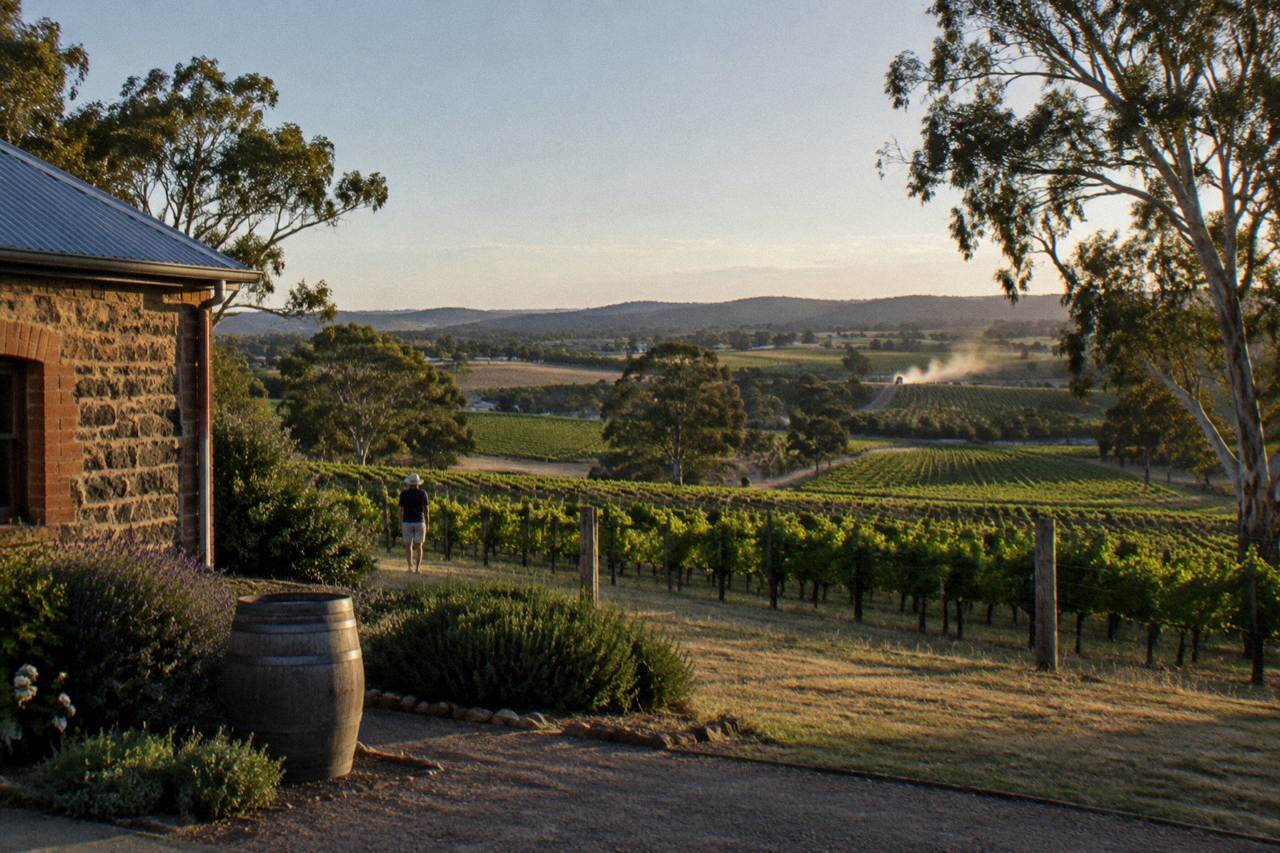
The Barossa Valley sits about an hour's drive north-east of Adelaide, and the region's own tourism body counts over 150 wineries inside its boundaries. That is a dense concentration of cellar doors, old vineyards and lunch spots for a valley you can cross by car in well under an hour. The honest answer to whether it deserves a day of your trip depends on what you want from that day: wine, food and scenery delivered to you, or independence and variety you organise yourself. This article works through both sides using the region's published figures and the tours listed on this site, so you can decide with real numbers rather than brochure language.
Is The Barossa Valley Worth Visiting?
Yes, for most travellers who enjoy wine or regional food, and the reason is arithmetic as much as atmosphere. The region's official snapshot puts Shiraz at 60 percent of Barossa Valley crush tonnes and red varieties at 90 percent of the total, from 11,930 hectares under vine in the Barossa Valley itself. Few wine regions anywhere concentrate that much old, planted expertise within an hour of a capital city.
The Barossa Valley is not a generic wine country. Its Geographical Indication zone was formally recognised in 1997, but the European settlement story goes back much further: Bethany was the first major European settlement in the valley, in 1842, and the oldest Shiraz vines are believed to date to 1843 at Langmeil and 1847 at Turkey Flat. Those "believed" qualifiers matter, because vine age claims are contested territory in old regions. What is not contested is that a day here puts you among working vineyards whose genetic material predates the Australian federation.
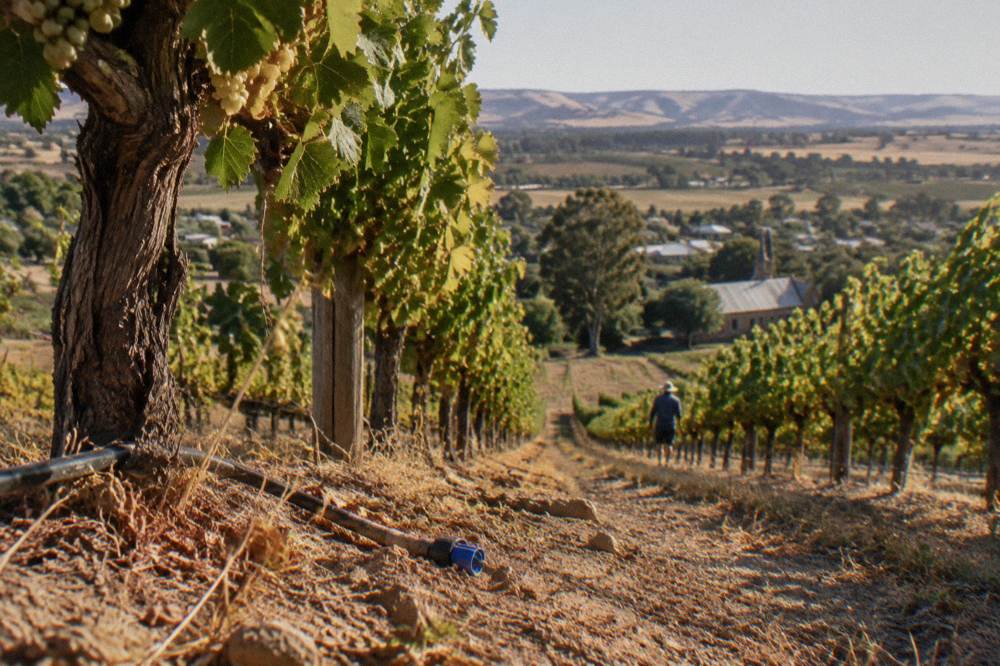
The valley floor and the Eden Valley above it give the zone two distinct personalities: the Barossa Valley at 112 to 596 metres elevation and the cooler Eden Valley reaching 632 metres. A single day tour typically stays on the valley floor, where the majority of cellar doors and the big heritage names sit. For a deeper map of the region's producers, the Barossa Valley wineries guide breaks down what each sub-area delivers.
For most visitors the practical question is not whether the Barossa is impressive, it is whether it fits the day they have. Eight-hour guided tours from Adelaide dominate the line-up for a reason: the region is close enough for a comfortable day trip and rich enough to fill every hour of one. If your itinerary only allows a half day or you have no interest in wine at all, the calculus changes, and the later sections of this article deal with those cases honestly.
Who The Barossa Valley Suits Best
The Barossa suits travellers who want concentrated wine experiences, generous food, and heritage scenery without organising any of it themselves. It suits wine drinkers most obviously, since 90 percent of the region's plantings are red varieties. But it also works for non-drinkers riding along for the food, the villages and the views, and for couples who want one shared, easy day out of Adelaide.
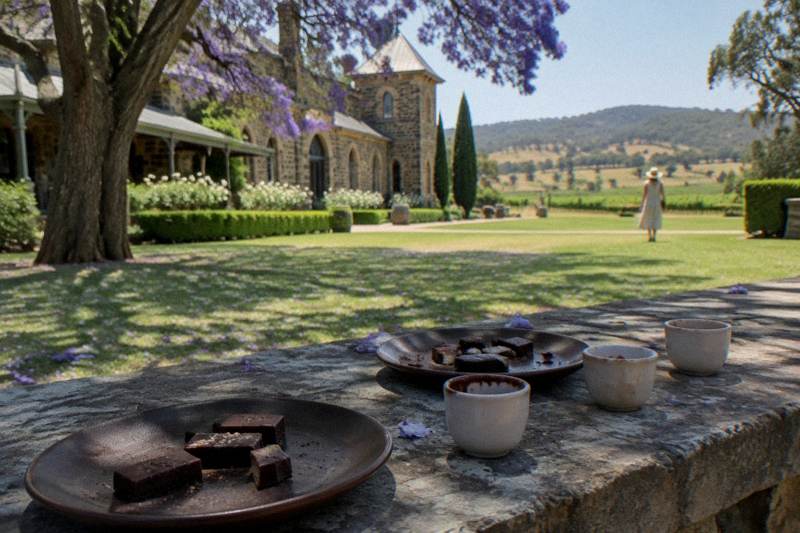
The line-up shows who operators expect: 17 of the 26 tours here include lunch, and 18 list pickup in some form. That is a market built around the full guided day. The Premium Barossa Small Group Tour from See Adelaide is typical: eight hours, from A$189 per person, hotel pickup, a regional platter lunch, and stops that include a private barrel room tasting at sixth-generation Kies Family Wines, a structured tasting and self-guided tour at Chateau Tanunda, and a chocolate stop at Melba's. One recent guest review on the listing captures the convert effect: "Even if you are not a wine lover, you certainly will be after this experience!"
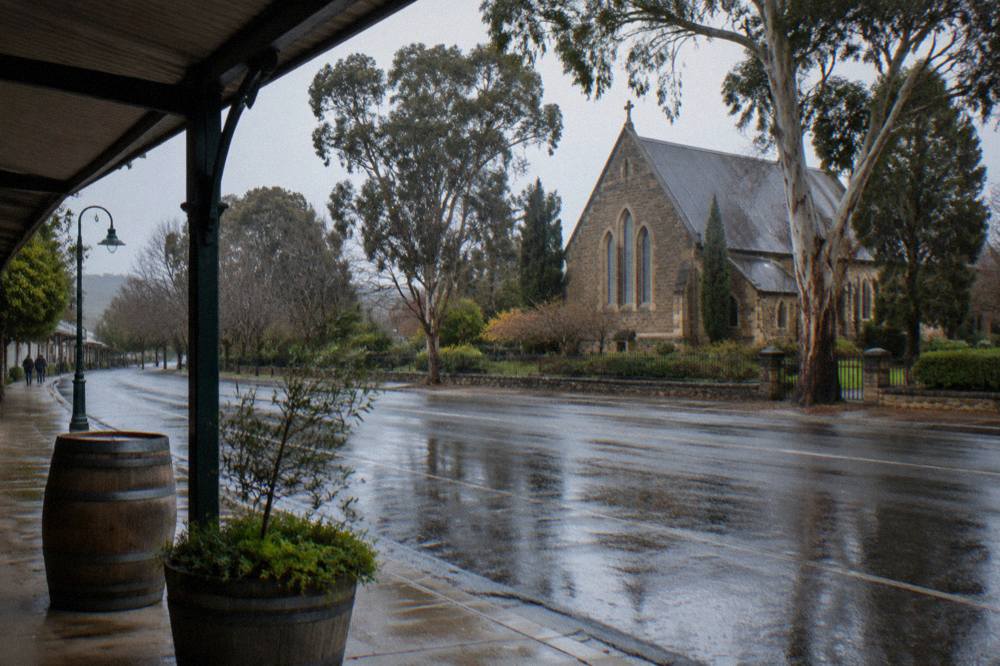
Photographers and slow travellers do well here too. Mengler Hill Lookout and the Barossa Sculpture Park appear on several tour itineraries, and the valley's stone churches and 1840s settlement streetscapes give the region a texture that newer wine areas lack. If your idea of a good day is one landscape, one product and one long lunch rather than a checklist of attractions, the Barossa is built for you.
Who it suits less well: visitors who want nightlife, beaches or urban density, and independent travellers who resent schedules. The Barossa's towns are small and quiet, the public transport is thin (more on that below), and once cellar doors close in the late afternoon the region largely goes to sleep. Families with young children can make it work on coach tours with sightseeing stops, but wine-focused small-group days assume an adult audience.
What A Guided Day Actually Delivers
A guided Barossa day typically delivers transport, three to five cellar door visits, lunch, and commentary, inside an eight-hour window from Adelaide. Among the tours on this site, prices run from A$100 per person for the hop-on hop-off bus to A$245 for a small-group day with lunch and hotel pickup, with private options priced per group. What varies most between listings is not the wine, it is the meal and the group size.
The listings name their stops, which lets you compare days precisely rather than trusting adjectives. The Barossa Valley Cellar Door Small Group Tour from CP Tours and Charters, rated 4.8 from 545 reviews, lists Langmeil Winery, Chateau Tanunda, The Tanunda Club, Ubertas Wines and Rusden Wines, with standard tasting fees included and lunch at the Tanunda Clubhouse. A guest review on that listing reads: "The trip from collection to the drop off back at our apartment was amazing. Phil was excellent and took us to the most wonderful vineyards for wine tasting."
Figure blocks do not tell you what the wine tastes like, so here is the structural comparison in table form, built only from what the listings state.
| Tour (decision name) | Price basis | Duration | Lunch | Pickup stated |
|---|---|---|---|---|
| Premium Small Group, Chocolate Tasting | from A$189 per person | 8 hours | Included | Yes |
| Four Wineries, Clubhouse Lunch | from A$189 per person | 8 hours 30 minutes | Included | Yes, hotel/motel |
| Hop-On Hop-Off, No Meal | from A$100 per person | 8 hours | Not included | None |
| All Inclusive, Lunch and Coffee | from A$209 per person | 8 hours | Included | Selected CBD hotels on request |
| Shared Day, Regional Platter Lunch | from about A$238 per person | 7 hours | Included | Not stated |
| Max 6 Guests, Restaurant Lunch | from A$380 per person | 8 to 9 hours | Included | Yes, hotel |
The pattern to notice: at the A$175 to A$209 level you are choosing between coach-group and small-group formats with a similar inclusions stack, while the jump to A$380 buys a maximum of six guests and a multi-course restaurant lunch with tasting fees included. Below that, the hop-on hop-off bus at from A$100 per person deliberately strips the day down to transport only, with tastings and lunch at your own cost, which suits confident planners.
Private tours change the arithmetic because they are priced per group, not per person. The Barossa Discovery Day from Barossa Bespoke Tours, rated 5.0 from 63 reviews, runs from A$750 per group for up to six people, with pickup in Adelaide or the Barossa, but neither lunch nor tasting fees are included. Divide that across a full car and it competes with premium small-group pricing; travel solo and it is a different category of spend entirely.
Beyond the wine day, the region offers formats that answer the "worth it" question differently. Barossa Helicopters flies three scenic routes from the Lyndoch area, including the 20-minute Western Ridge and Valley Floor flight from A$550 per group for up to three, with pilot commentary over landmarks such as the Whispering Wall and Chateau Tanunda. The guided e-bike day from Bike About, from about A$335 per person, covers Yalumba, the Barossa Chocolate Company, Artisans of Barossa and the Barossa Cheese Company with an artisan platter lunch. Both are covered in depth on the Barossa Valley helicopter flights and e-bike wine tours pages.
How Far Is The Barossa Valley From Adelaide?
The drive from Adelaide to Tanunda, the Barossa's central town, is about an hour, with no toll roads on the route, according to the region's own getting-here page. There is no direct rail line into the valley; public transport means a train to Gawler, then a connecting bus, roughly two and a half hours with a change. That distance is the single biggest reason guided tours dominate a Barossa visit.
Proximity is the Barossa's quiet advantage over almost every other famous wine region. An hour of sealed highway separates your Adelaide hotel from cellar doors whose vines were producing wine before the telephone existed. That is why 18 of the 26 tours on this site mention pickup in some form, most of them from Adelaide hotels: the commute is short enough that an operator can collect you, run a full day of tastings, feed you lunch and have you back before dinner. With a drive that short, it is easy to justify a detour beyond the cellar doors, which is exactly where our guide to the Barossa's overlooked lookouts and back roads what locals keep quiet about begins.
The public transport picture is the mirror image. Gawler is the railhead, and a bus connection onward to Tanunda, Nuriootpa and Angaston makes the journey possible but slow, roughly two and a half hours with a change. Nobody does that for fun on a one-day visit. Self-driving is entirely viable, the roads are straightforward, and no tolls apply, but South Australia's drink-driving law sets the limit for full licence holders at a blood alcohol concentration of 0.05, and police can run random breath testing near any road. A first offence under 0.08 brings an expiation notice and 4 demerit points; a second or later offence under 0.08 means disqualification. Tastings across a full day add up fast, which is exactly the argument the wine tour versus driving comparison makes in detail.
For background on routes and parking, see the full getting to the Barossa Valley guide.
What Does A Barossa Valley Visit Cost?
A guided day costs from A$100 per person on the hop-on hop-off bus up to A$245 for a fully hosted small-group day with lunch, while private options start from about A$375 per group across the 26 tours listed on this site. Cellar door tasting fees, where you pay them yourself, typically run roughly A$10 to A$30 per person for a standard flight, and the fee policy varies door by door.
The price spread across these tours is wide enough to fit most budgets, and the basis of each price matters. Per-person listings cluster between A$149 and A$245 for full days with lunch. Group-priced privates, such as the flexible full-day luxury tour from about A$375 per group with tasting fees at selected wineries included, or the five-hour BMW sedan tour at A$639 per group for up to four, need dividing by headcount before any comparison makes sense.
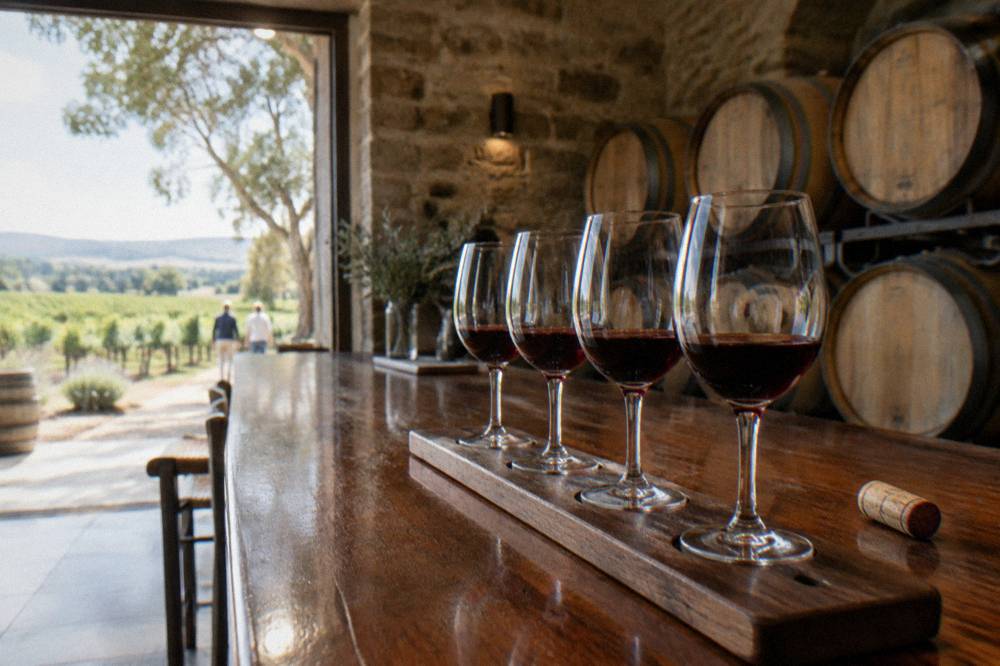
Tasting fees are the line item that surprises self-drivers. Of the 26 tours listed here, 6 say tasting fees are included, 3 say they are not, and 17 leave it unstated. Independent visitors pay at the door, and the published figures are specific: Jacob's Creek charges A$15, A$20 or A$30 per person depending on the flight, non-redeemable, with bookings essential and the last slot at 3.30pm; Kaesler's premium estate tasting is A$20 per person, redeemable on a bottle purchase; Henschke tastings start from A$20 per person. At Seppeltsfield, established 1851, tasting fees apply and group tastings are limited to 6 people. A self-drive day of four doors can easily add A$40 to A$100 per person in fees before lunch, which is why an all-inclusive listing at A$209 can work out close to a cheaper tour plus door fees.
Reasons The Barossa Valley Might Not Be Worth It For You
Honesty requires the other column, and it has three real entries. Summer heat is serious: long-term mean maximum temperatures at the Nuriootpa station reach 28.8 degrees in January, and heatwaves push well beyond the mean. Getting around without a car or a tour is slow. And if wine itself does not interest you, the region's core product leaves you with scenery, chocolate and one long lunch.
The climate data deserves plain language. The Bureau of Meteorology's long-term means from the Nuriootpa comparison station give January a mean maximum of 28.8 degrees and February 28.6, with rainfall in those months averaging under 19 millimetres each. Means understate summer days, and several tour days run eight hours with outdoor segments. Visitors from cooler climates should plan the shoulder months, when means sit in the low twenties, or winter, at 13 to 17 degrees. The best month to visit question has a fuller answer using those same figures.
The transport point is covered above but bears restating as a verdict: without a car or a booked seat, the Barossa is awkward. And the wine-indifference point is genuine. A non-drinking companion can enjoy the hop-on hop-off day's scenery, the chocolate company, and the food, and one of the tours listed here fits that case, though the region's centre of gravity remains the cellar door. If neither of two travellers drinks, the value case weakens.
There is also the vintage-timing question, which cuts both ways. The 2026 vintage was later than usual, with much of the Barossa Valley harvest in the winery before Easter, and the regional report described yields considerably below average after a third consecutive dry year, with March 2026 bringing 56 millimetres of rain at Nuriootpa, nearly three times the average. For visitors, autumn's harvest energy and spring's milder means are the comfortable windows; the next Barossa Vintage Festival runs 21 to 25 April 2027 with long lunches, masterclasses, markets and concerts.
Which Format Gives You The Best Value Day?
For value specifically, the hop-on hop-off bus at from A$100 per person is the floor, but the mid-band small-group days at A$189 to A$209 deliver the most complete experience per dollar once lunch and hosted tastings are counted. Private group tours win only for parties of four or more who want control of the itinerary. The right answer depends on whether you value flexibility or inclusions.
The hop-on hop-off listing, rated 4.9 from 442 reviews, includes transport between wineries, bottled water and an air-conditioned vehicle, with a maximum of eight per booking, but neither tastings nor lunch. A guest review on that listing frames the trade: "This is a fabulous and easy way to see some of the best spots in the Barossa. Highly recommend you make Bethany Wines and Rusden Wines two of your stops!" Add four paid tastings and lunch and the effective cost approaches the premium small-group tours, which is the honest way to compare them.
At the top of the per-person band, the private premium wine day from ExperienceSA, rated 5.0 from 34 reviews at from A$440 per person, includes tasting fees and a wine-paired degustation lunch at stops including Soul Growers and Elderton Wines, with free cancellation up to 24 hours before. It is a different product: fewer guests, deeper access, and a price to match. The private Barossa Valley wine tours guide covers that tier in full.
For the majority still on the fence, the decision usually lands in the mid-band, and the Barossa Valley Wine Tours line-up makes that comparison easy: several listings publish identical prices with very different personalities. Whatever you choose, verify the current price and inclusions on the operator's live listing before booking, since dates and group sizes move the figures.
Common Questions About Visiting The Barossa Valley
Is The Barossa Valley Worth Visiting?
For most travellers, yes. The region combines over 150 wineries, vineyards believed to date to the 1840s, and a strong food culture within an hour of Adelaide, and guided days from A$100 to A$245 per person handle all the logistics. It is weakest for visitors with no interest in wine or food-focused days.
Can you visit the Barossa Valley without a car?
Yes, but not conveniently by public transport. The train reaches Gawler and a connecting bus runs to Tanunda, Nuriootpa and Angaston, roughly two and a half hours with a change. A guided tour with pickup, or the hop-on hop-off bus once in the valley, is the practical answer.
Is one day enough for the Barossa Valley?
One well-chosen day covers four or five cellar doors, lunch and the main sights between Tanunda and Angaston. Travellers who want Eden Valley, slow meals or festival events benefit from a second day, which the how many days guide covers in detail.
Do Barossa wine tours include lunch?
Most do, but not all: 17 of the 26 current listings include lunch and 9 do not. Each listing states its own inclusions, so check the row for the tour you are considering rather than assuming.
What is the cheapest way to tour the Barossa Valley?
The hop-on hop-off bus is the floor at from A$100 per person, covering transport between wineries but not tastings or lunch. Budget for cellar door fees of roughly A$10 to A$30 per person per standard flight on top.
When is the worst time to visit the Barossa Valley?
Midsummer, if heat is a problem for you. Long-term mean maximums at Nuriootpa reach 28.8 degrees in January, and individual days run hotter across an eight-hour tour day. Autumn and spring offer milder means in the low twenties.