Barossa Vintage Festival 2027 And Harvest Season: Planning Your Tour Dates
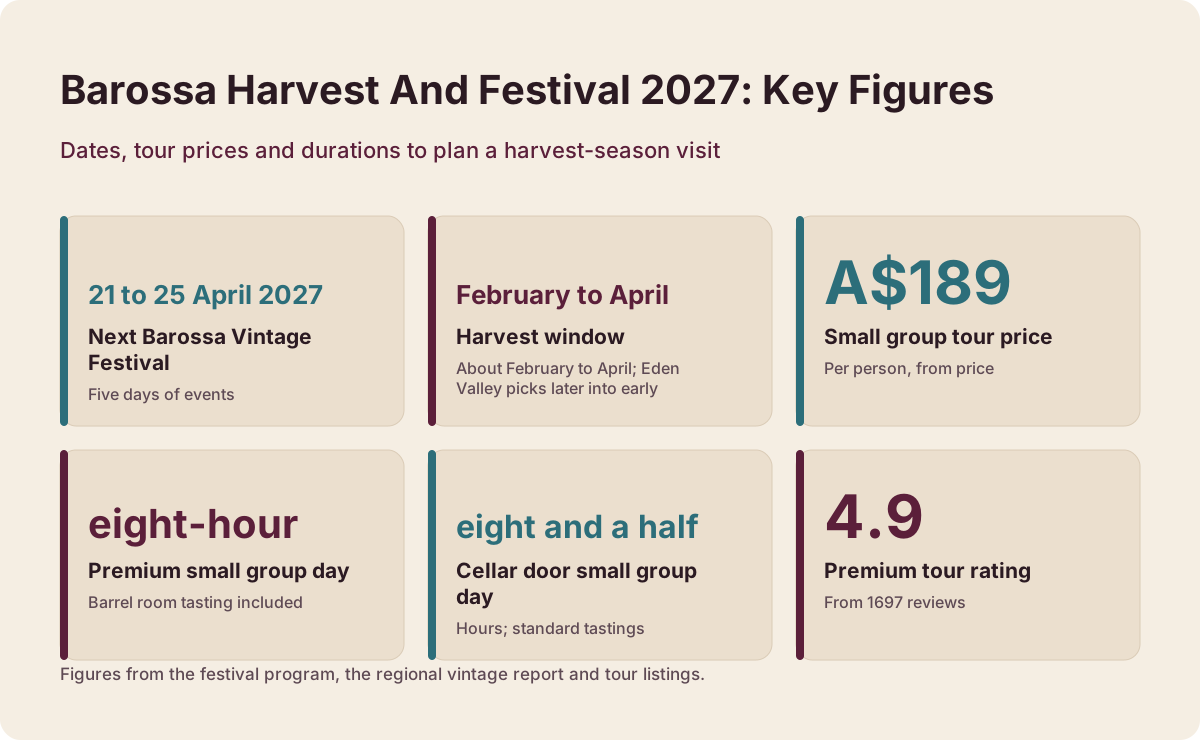
The Barossa's calendar turns on two things: the harvest, which runs about February to April, and the Vintage Festival, which next runs 21 to 25 April 2027. Time a wine tour around either and the region shows a different face.
Short answer
The next Barossa Vintage Festival runs 21 to 25 April 2027, with long lunches, masterclasses, markets, parades and concerts. Grape harvest runs about February to April. Autumn means long-term maximums of 21.4C in April and 17.0C in May at Nuriootpa, so festival week sits in mild, harvest-tail weather.
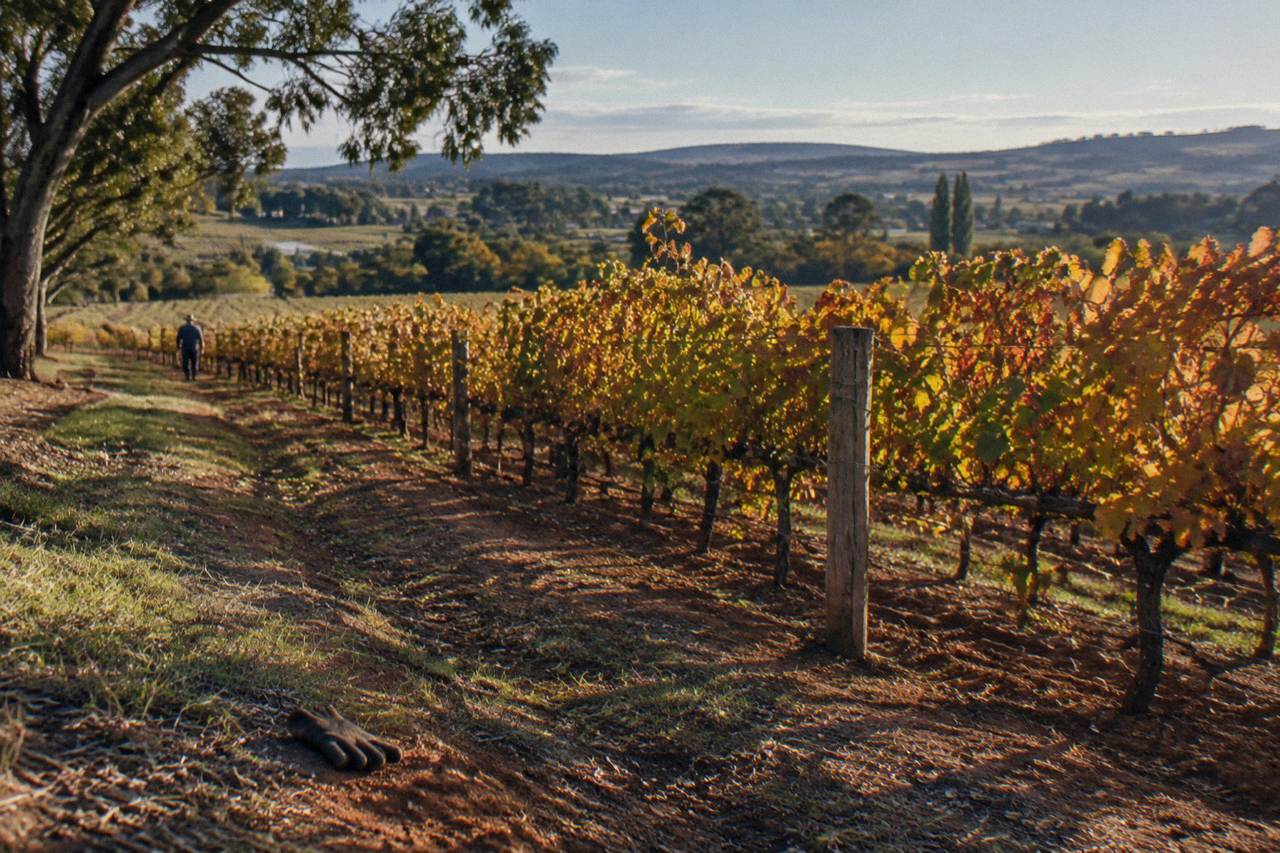
Two dates shape the Barossa year more than any others: the day the first grapes come off the vines, and the week the region throws a party about it. Harvest runs about February to April, and the next Barossa Vintage Festival runs 21 to 25 April 2027, five days of long lunches, masterclasses, markets, parades and concerts across the valley's towns and cellar doors. Pick a tour week with those in mind and the whole trip changes character.
This guide lays out what the festival actually is, when harvest happens, what the region's own climate records say about each month, and how the 2026 vintage played out in the words of the people who made it. It then matches the tour formats listed here to the season, from the eight-hour small-group day with a barrel-room tasting to the hop-on hop-off bus that lets you set your own pace through vintage country.
What Is The Barossa Vintage Festival And When Does It Run?
The next Barossa Vintage Festival runs 21 to 25 April 2027, five days of events across the Barossa's towns, cellar doors and community halls. The festival program, as its own page describes it, includes long lunches, masterclasses, markets, parades and concerts, all built around vintage and the region's heritage. It is a valley-wide celebration, not a single venue, so a tour and a festival day can sit side by side in one trip.
The festival is run by the region itself and spread across the towns that make up the Barossa: Tanunda, Nuriootpa, Angaston, Lyndoch and the smaller settlements between them. Events happen in cellar doors, halls and backyards, which is why the festival works well as a frame for a touring day rather than a ticket to one gate. The official festival site carries the program and ticketing detail as it is announced, so treat that page as the source for what is on and when: the Barossa Vintage Festival's own site.
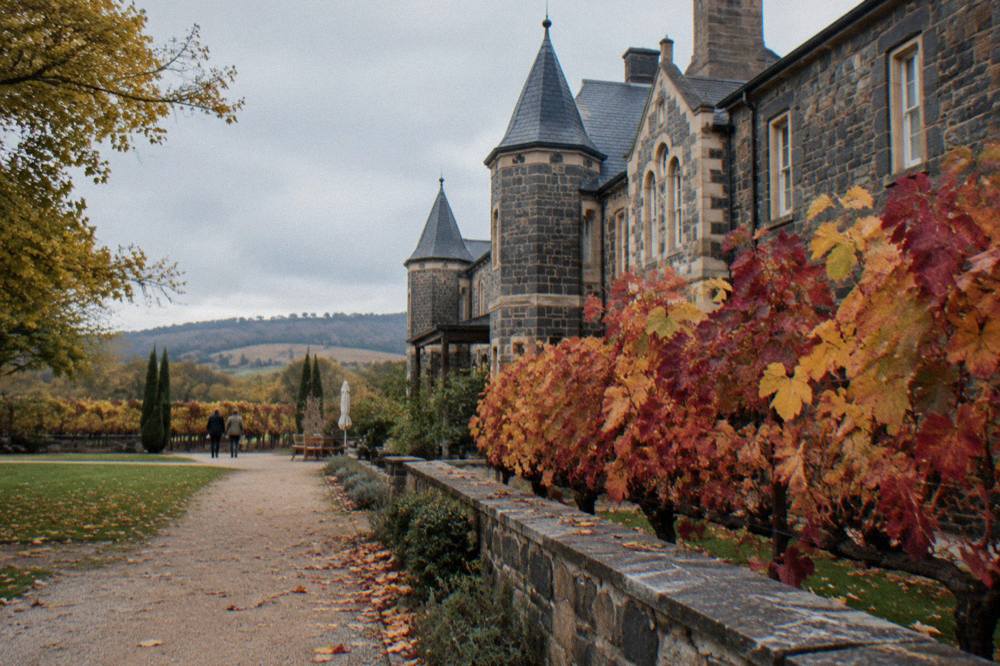
April is also the tail of harvest. The Barossa Valley's pick typically runs about February to April, so festival week lands right at the point where the last fruit is coming off and the wineries are full of new vintage. A visitor in late April sees both: the celebration and the working aftermath of it.
If the plan is to be in the valley during the festival, book the touring day early as general planning advice. Festival week concentrates visitors in a small region, and the tours that suit it best, the small-group and coach days from Adelaide, are the practical way to move between events without worrying about the drive home. The Barossa Valley Wine Tours line-up includes several that fit, and the sections below name them.
When Is Grape Harvest In The Barossa Valley?
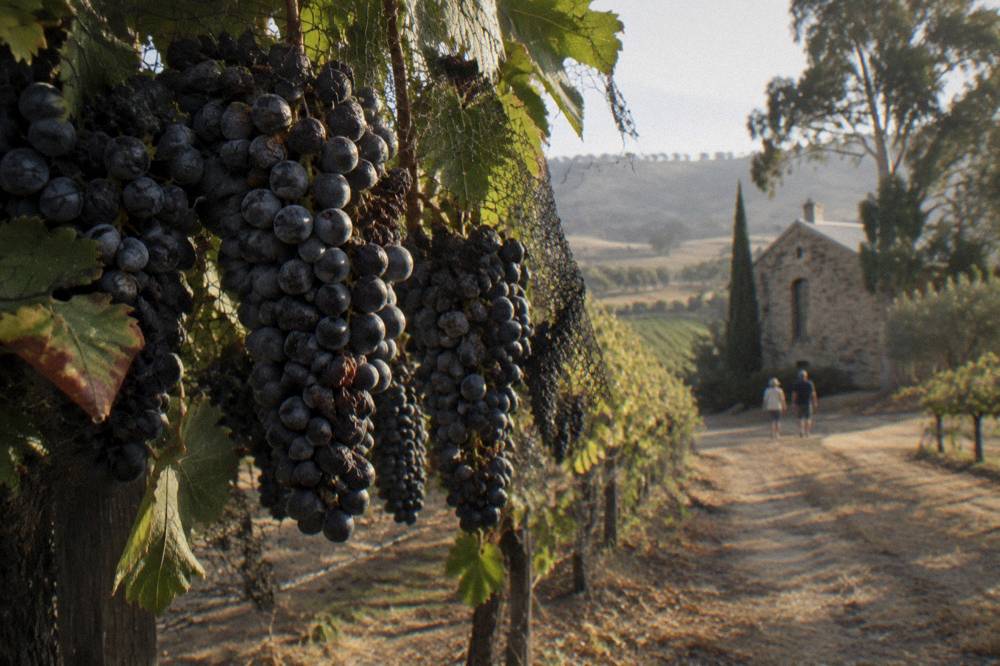
Harvest in the Barossa Valley runs about February to April, with the Eden Valley's pick running later into April and early May. The 2026 vintage was later than usual, and the region's own report says much of the Barossa Valley vintage was "in the winery before Easter". Yields in 2026 were "considerably below average", while quality was described as very good, with concentrated, textural reds.
That report is worth reading in the region's own voice. Written by Louisa Rose of Hill-Smith Family Estates for the regional body, it describes a season shaped by three dry years in a row: calendar-year 2025 rain at Nuriootpa was 331 mm, 77 percent of average, and March 2026 brought 56 mm at Nuriootpa, nearly three times the monthly average. The rain caused some splitting and disease risk but the overall quality held, and the report's verdict on the reds is blunt: "the standout of 2026 so far is Shiraz". The full report is on the regional site: the 2026 vintage report.
For a visitor, harvest season means the valley is at its most active. Trucks of fruit on the roads, cellar doors in full swing, and winemakers with the least spare time they will have all year. It also means the weather is at its most forgiving for touring, which the month table below shows in numbers.
The 2026 season in brief:
| 2026 vintage marker | What the region's report says |
|---|---|
| Timing | Later than usual; much of the vintage "in the winery before Easter" |
| Yields | "Considerably below average" |
| Quality | Very good; concentrated, textural reds |
| Standout variety | "The standout of 2026 so far is Shiraz" |
| 2025 rain at Nuriootpa | 331 mm, 77 percent of average, third dry year in a row |
| March 2026 rain | 56 mm at Nuriootpa, nearly three times the average |
Shiraz's dominance is not a one-year story. Wine Australia's region snapshot puts Shiraz at 60 percent of the Barossa Valley's 2026 crush tonnes, with Cabernet at 18 percent and Grenache at 9 percent, and the region's oldest Shiraz vines are believed to date to 1843 at Langmeil and 1847 at Turkey Flat. A harvest-season tour is, more often than not, a Shiraz tour.
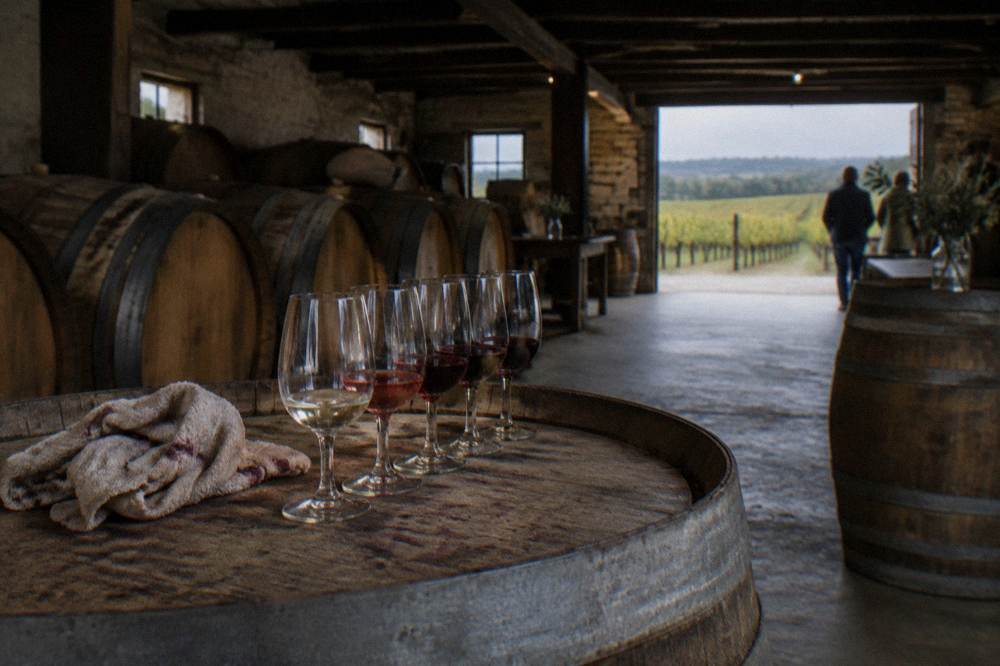
Three of these tours suit the harvest window well. The Premium Barossa Small Group Tour, from A$189 per person, is an eight-hour day rated 4.9 from 1697 reviews that includes hotel pickup, a regional platter lunch, a private barrel room tasting at Kies Family Wines and a stop at Melba's Chocolates. The Barossa Valley Cellar Door Small Group Tour, from A$189 per person, runs eight and a half hours with standard tasting fees and a Tanunda Clubhouse lunch included, rated 4.8 from 545 reviews. The Barossa Valley Wine Tour with a max of 6 guests, from A$380 per person, adds tasting fees, a multi-course restaurant lunch and luxury hotel transfers, rated 5 from 112 reviews.
Which Month Should You Visit For Wine Touring?
Long-term means from the Nuriootpa station say the sweet spot for touring is March and April: mean maximums of 25.7C and 21.4C with mean minimums of 11.8C and 9.0C, and monthly rainfall of 22.2 mm and 38.2 mm. Summer days run hotter, January's mean maximum is 28.8C, while winter tops out at 13.2C in July. These are 46-year averages, not forecasts, so check the forecast before you pack.
The full month picture, from the Bureau of Meteorology's long-term Nuriootpa comparison:
| Month | Mean max (C) | Mean min (C) | Mean rain (mm) | What it means for a tour |
|---|---|---|---|---|
| January | 28.8 | 13.6 | 18.8 | Hot days; early starts and shade at cellar doors |
| February | 28.6 | 13.9 | 18.5 | Hot, but harvest energy builds |
| March | 25.7 | 11.8 | 22.2 | Milder; vintage in full swing |
| April | 21.4 | 9.0 | 38.2 | Mild; harvest tail and festival territory |
| May | 17.0 | 6.7 | 55.0 | Cool and greener; quiet cellar doors |
| June | 14.2 | 5.1 | 56.3 | Winter; indoor tastings and open fires |
| July | 13.2 | 4.4 | 66.2 | Coolest and wettest month on the means |
| August | 14.3 | 4.8 | 63.6 | Cold; pruning season in the vines |
| September | 16.8 | 5.9 | 60.0 | Warming; budburst and fresh greens |
| October | 20.2 | 8.0 | 49.4 | Pleasant; spring touring weather |
| November | 23.8 | 9.9 | 29.3 | Warm and drier; long daylight for touring |
| December | 26.3 | 11.8 | 24.3 | Hot again; early summer and holiday season |
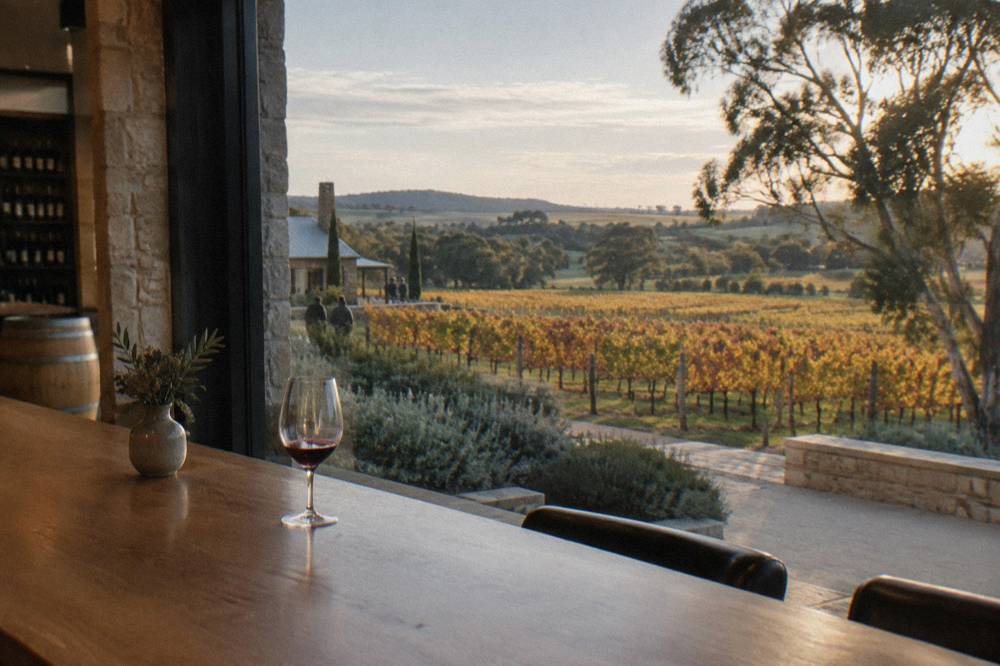
March and April carry the double draw: working wineries and the year's most comfortable touring temperatures. November is the other quiet standout on the means, warm at 23.8C with only 29.3 mm of rain, and it carries its own event draw in 2026, covered below. Winter months are not a poor choice for tasting, they are a poor choice for standing in vineyards, and the region's indoor experiences carry those days instead.
The climate page on the regional site frames the seasons the same way the numbers do: Barossa's climate and seasons overview. Whatever the month, layer up for the evening; even in April the mean minimum is 9.0C, and a day that starts in short sleeves often ends wanting a jacket. The packing question has its own treatment in what to wear on a Barossa wine tour.
How Do You Time A Tour Around The Festival And Harvest?
Match the tour format to the week. Festival week and peak harvest suit fixed-itinerary days from Adelaide, the eight-hour small-group tours that handle pickup, lunch and the driving. Quieter shoulder weeks suit the hop-on hop-off bus, from A$100 per person, which trades the guided structure for the freedom to choose stops. Private days, from about A$375 per group, buy flexibility when the festival program pulls you in two directions at once.
The practical logic is simple. During festival week the valley is busy and the events are scattered, so a day with a driver removes the parking and the planning. The Premium Barossa Small Group Tour covers six stops including Chateau Tanunda, Yalumba and Rosenvale Vineyards with lunch included, which pairs well with a morning at festival markets. Its listing states free cancellation up to 24 hours before departure, which matters when festival programs shift. A guest review on the listing sums up the format: "Amazing tour! Great guide, Sara, was lots of fun & had loads of great info about the areas we visited!"
Outside festival week, the hop-on hop-off bus is the harvest-season tool for self-directed days. From A$100 per person and rated 4.9 from 442 reviews, it runs transport between wineries for eight hours with a maximum of 8 per booking, though tasting fees and lunch are not included, so budget for both at the cellar doors. One reviewer puts the case plainly: "This is a fabulous and easy way to see some of the best spots in the Barossa."
For visitors basing themselves in the region rather than commuting from the city, the Barossa Valley Wine Experience with Lunch & Scenic Sights is a six-hour small-group day from A$245 per person, rated 5.0 from 29 reviews, with pickup from within the Barossa only, lunch and tasting fees at the operator's selected wineries included. That shorter format leaves the late afternoon free for festival events, which is exactly the trade a festival-week visitor wants.
The format comparison at a glance:
| Tour format | Example tour | Price basis | Fits festival week? |
|---|---|---|---|
| Small group from Adelaide | Premium Barossa Small Group Tour | from A$189 per person | Yes; fixed day, driver handles logistics |
| Small group, max 6 | Barossa Valley Wine Tour, Max 6 Guests | from A$380 per person | Yes; restaurant lunch and tasting fees included |
| Hop-on hop-off | Barossa Valley Hop-On Hop-Off Wine Tour | from A$100 per person | Better outside peak; you set the stops |
| Barossa-based small group | Barossa Valley Wine Experience | from A$245 per person | Yes; six-hour day frees the evening |
| Coach day with Hahndorf | Barossa to Hahndorf Wine Tasting and Lunch | from A$179 per person | Splits the day; less festival time |
One rule of thumb from the line-up rather than folklore: check what each listing actually includes. Of the 26 tours listed on this site, 17 include lunch and 8 do not state pickup at all, so a festival day built around a lunch event calls for a listing that clearly says lunch is included. The Barossa wine tours from Adelaide guide breaks the line-up down by what each day includes.
What Happened In The 2026 Vintage And Why Does It Matter For Visitors?
The 2026 vintage was small but strong: the region's report describes yields "considerably below average" after three dry years, with concentrated, textural reds and Shiraz the standout. Wine Australia's snapshot puts the Barossa Valley crush at an estimated 48,183 tonnes, down 17 percent on 2025. For visitors, that means the 2026 wines on cellar door tables are worth the trip in themselves, and the story behind them is a good one to hear at the tasting bench.
The numbers behind the season tell the story. Calendar-year 2025 delivered 331 mm of rain at Nuriootpa against an average of roughly 500 mm across the year on the long-term means, the third dry year in a row. Then March 2026 brought 56 mm at Nuriootpa, nearly three times that month's average, which thinned yields further in places. The region's response, in its own report, was that quality held: reds with concentration and texture, and a clear call on the variety that carried the year.
Shiraz's place in that story is structural, not just seasonal. It accounts for 60 percent of the Barossa Valley's crush tonnes, and the region's oldest Shiraz vines are believed to date to 1843 at Langmeil and 1847 at Turkey Flat, claims the industry body makes with the word "believed" attached. The Barossa Shiraz guide covers the variety in depth for anyone planning a red-focused harvest trip.
A vintage like 2026 also changes what a cellar door visit feels like. Winemakers have a story with a beginning, a hard middle and a good ending, and the tasting bench is where it gets told. The small-group days that include structured tastings, like the Chateau Tanunda guided tour on the Premium Barossa Small Group Tour, or the private structured tasting at Rosenvale Vineyards on the same day, are built for exactly that conversation.
What About Seppeltsfield's 175th Series In November 2026?
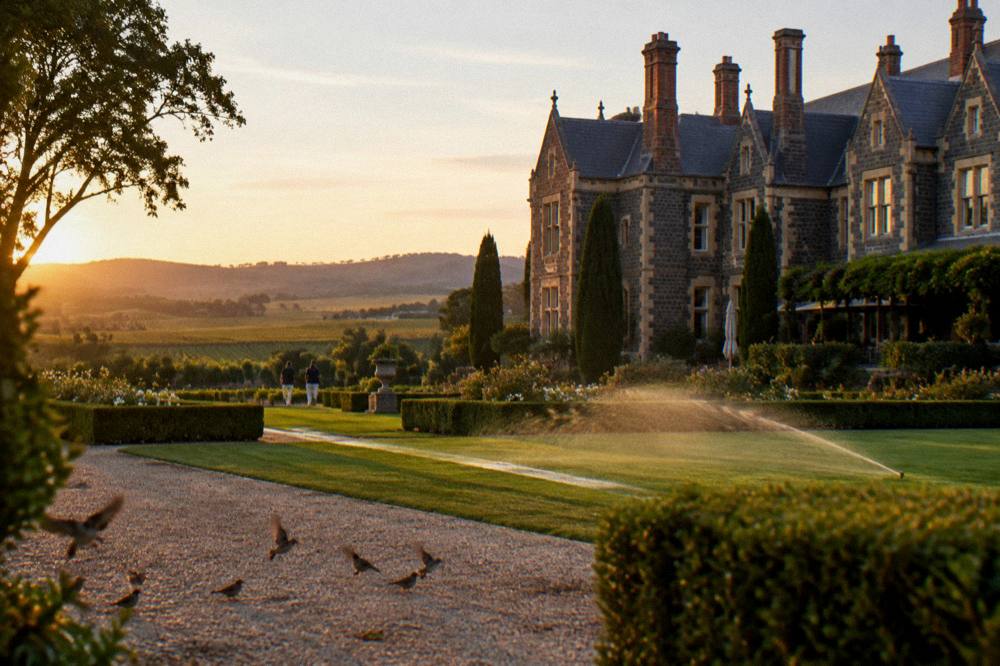
Seppeltsfield, established in 1851, marks its 175th anniversary with a series of celebrations across four Fridays in November 2026, an anniversary event rather than a new opening. The estate's cellar door operates as normal, with tasting fees applying and group tastings limited to 6 people. For a spring visit, the series gives November a festival flavour of its own, in warmer, drier weather than April.
The distinction matters because anniversary events get misread. The 175th Series is a program of celebrations of wine, food and music across those four Fridays, not a reopening or a new venue. The estate itself is one of the Barossa's founding wineries, and its Centennial Cellar tour, which includes a tasting of 100-year-old Para Tawny direct from the barrel, is listed at about A$339 on the regional tourism site, with a multi-course lunch at FINO Seppeltsfield.
November's means make the case for it: 23.8C mean maximum, 9.9C mean minimum and 29.3 mm of rain. Touring days run long in the light, and the harvest crowds are months away. Several of the tours on this site pass Seppeltsfield or stop at the village. The Barossa Tour from Adelaide: 4 Tastings & Lunch Included, from A$175 per person, rated 4.7 from 306 reviews, gives free time at the Seppeltsfield village precinct with its JamFactory and Vasse Virgin stores.
For anyone weighing a November trip against the April festival, the honest answer is that they are different trips. April carries harvest's tail end and the festival's program of long lunches and parades; November carries spring warmth and, in 2026, an anniversary series at one estate. The month table above is the tiebreaker.
How Do You Get To The Festival And Home Again After Tastings?
The drive from Adelaide to Tanunda takes about an hour on toll-free roads, but getting home after tastings is the real question: full licence holders must not drive with a blood alcohol concentration of 0.05 or more, and police can run random breath testing near any road, so a tour with a driver is the legal answer, not a luxury.
The state's own pages state the limits plainly, and they apply on every road between cellar doors: the South Australian drivers' handbook on alcohol. Festival week concentrates tastings, lunches and fortified wines, which is precisely the mix that makes self-driving a poor plan.
The alternatives, in order of convenience: a tour from Adelaide with pickup, which the listings on this site state where it applies; public transport, which is real but slow, a train to Gawler and then the LinkSA bus onward to Tanunda, Nuriootpa and Angaston, with a change along the way; or staying in the valley itself, which the where to stay in the Barossa Valley guide covers by town and character. The getting to the Barossa from Adelaide guide has the full transport detail.
Pickup is spelled out rather than assumed: 18 of the 26 tours state pickup in some form, and where from differs tour to tour. The Premium Barossa Small Group Tour states pickup as included; the Barossa Valley Cellar Door Small Group Tour states hotel and motel pickup and return; the hop-on hop-off bus states none, because you board at its stops. Match the row to your base before booking, and treat the listing as the authority on the exact arrangements.
Whichever of the three fits, the timing logic is the same: lock the touring day early for festival week, keep the cancellation terms from each listing in mind, and leave the evenings free for the events that make late April in the Barossa something the rest of the calendar is not.
Common Questions About The Barossa Vintage Festival And Harvest Season
When is the next Barossa Vintage Festival?
The next Barossa Vintage Festival runs 21 to 25 April 2027. The program includes long lunches, masterclasses, markets, parades and concerts across the Barossa's towns and cellar doors, with detail and ticketing on the festival's own site.
When does grape harvest happen in the Barossa Valley?
Harvest runs about February to April in the Barossa Valley, with the Eden Valley's pick running later. The 2026 vintage was later than usual, and the region's report says much of it was in the winery before Easter.
What is the best month to visit the Barossa for a wine tour?
On Nuriootpa's long-term means, March and April offer the best touring weather: mean maximums of 25.7C and 21.4C with low rainfall. November is the spring alternative at 23.8C mean maximum. These are long-term averages, so check the forecast before you travel.
Can you visit a winery during harvest?
Yes. Cellar doors stay open through the February to April harvest, and it is the most active time to visit, with fruit coming in and new vintage in the winery. Winery staff are busy, so a structured tour tasting can be a better experience than a casual drop-in.
Is the Vintage Festival worth planning a trip around?
For many visitors, yes. The festival spreads events across cellar doors, halls and backyards valley-wide, so it pairs naturally with a tour day. Book the tour and any accommodation early as general planning advice, since festival week concentrates visitors in a small region.
Do you need a car during the Vintage Festival?
No, and on tasting days a car is a liability. Full licence holders must not drive at 0.05 blood alcohol or above, and police can run random breath testing near any road. Tours with stated pickup, or a base inside the valley, cover the festival without a self-drive day.