Is Barossa Or McLaren Vale Better?
A data-based comparison of Barossa and McLaren Vale built on Wine Australia snapshot figures, drive times, the tours listed on this site and cellar door facts, framed by which traveller each region suits.
Is Barossa Or McLaren Vale Better?
Neither region is objectively better: they suit different travellers, and the numbers say so plainly. Barossa carries more vineyard, more Shiraz by share of crush and older documented heritage; McLaren Vale sits closer to Adelaide, runs a flatter elevation profile and leans into Grenache and coastal-influenced styles. Wine Australia's region snapshots put Barossa Valley at 11,609 hectares under vine against McLaren Vale's 7,438, with Shiraz at 60 percent of Barossa tonnes and 53 percent of McLaren Vale's. The honest verdict is a matching exercise between your palate, your time budget and your starting point, not a ranking, and this article works through each of those inputs in turn. If your answers point you toward Barossa, our guide to luxury Barossa Valley tours with cellar door access covers the estates where a long lunch becomes the entire itinerary.
Start with what each region actually is. Barossa is the older story: European settlement at Bethany dates to 1842, the region's own figure is over 150 wineries, and the oldest continuously productive Shiraz vines are believed to date to 1843 at Langmeil and 1847 at Turkey Flat, according to Wine Australia. The name itself goes back to 1837, when Colonel William Light named the Barossa Range after the Barrosa ridge in Andalusia, site of an 1811 Peninsula War battle he fought in; the modern spelling came from a clerical error. There is no plain-English translation of the word. If you're curious how a Spanish ridge ended up naming an Australian wine region, the full story of what Barossa means covers the naming, the misspelling, and the battle behind it.
McLaren Vale's story is different in texture rather than in quality. Its snapshot shows 91 percent red varieties against Barossa Valley's 90, a tighter spread of Shiraz at 53 percent, and more visible Grenache in the mix. Its elevation runs from essentially sea level to 417 metres, where Barossa Valley climbs from 112 to 596 metres. Those physical differences shape the wines more than any marketing line does, and they shape the visiting experience too: Barossa's hills and valleys spread its cellar doors across a wider stage, while McLaren Vale's compactness makes a short visit easier to assemble on the fly.
There is one practical asymmetry to name early: the tours listed here cover Barossa day trips, private tours, helicopter flights and e-bike rides, but no McLaren Vale tour product. So this article compares the regions on the facts, and if the comparison lands you on Barossa, it routes you straight to the tours that run there. If McLaren Vale wins your day, the links below will not help you book it, and pretending otherwise would not either.
How Do The Regions Compare On Wine Australia's Numbers?
On the official snapshots, Barossa Valley is bigger on every measure that can be counted: 11,609 hectares under vine against 7,438, an estimated 48,183 tonnes of crush against 31,736, and 590 square kilometres of region against 440. Red varieties hold 90 percent of Barossa plantings and 91 percent of McLaren Vale's, so both are red regions first and neither is a white-wine destination. The real differences sit in the variety split, elevation and yields, which the table below lays out side by side so the comparison stays on the record rather than on reputation.
| Measure (Wine Australia snapshot) | Barossa Valley | McLaren Vale |
|---|---|---|
| Hectares under vine | 11,609 | 7,438 |
| Red share of plantings | 90% | 91% |
| Leading variety by share of tonnes | Shiraz 60% | Shiraz 53% |
| Other notable shares | Cabernet 18%, Grenache 9% | Grenache prominent, per comparison guides |
| Estimated crush | 48,183 t | 31,736 t |
| Yield | 4.2 t/ha | 4.3 t/ha |
| Region area | 590 km2 | 440 km2 |
| Elevation range | 112 to 596 m | 0 to 417 m |
Read the table as a character sketch. Barossa's 60 percent Shiraz share, with Cabernet at 18 and Grenache at 9, tells you the region is built around full-bodied reds at scale, and the 2026 vintage report from the region's own site reinforces the focus: yields came in considerably below average after a dry run of seasons, but reds were concentrated and textural, and, in winemaker Louisa Rose's words, "the standout of 2026 so far is Shiraz". McLaren Vale's numbers describe a smaller region with a flatter profile and a coastal influence that shows up in its style range rather than its tonnage. Yields are near identical, 4.2 tonnes per hectare against 4.3, so neither region wins an efficiency argument.
Neither snapshot says anything about which wine you will enjoy more, and that is worth being blunt about. What the numbers do support is this: if old-vine Shiraz heritage and sheer density of wineries is the draw, Barossa's figures back the reputation. If you want a smaller region you can cross quickly, with a milder spread of varieties and the sea an hour away, McLaren Vale's geometry favours you. The snapshot also matters for context on the wider zone: the Barossa's Eden Valley neighbour, inside the same official zone, carries Riesling at 28 percent of its tonnes, a reminder that a "Barossa" label can mean two quite different regions.
Which Region Suits Old-Vine Shiraz Drinkers?
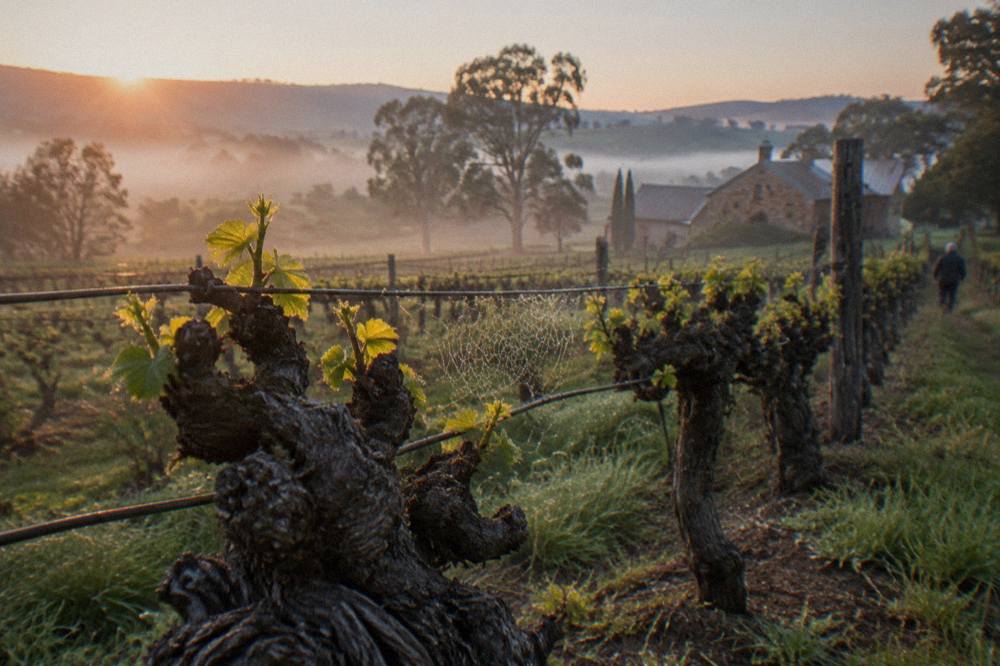
For old-vine Shiraz drinkers, the Barossa is the answer, and the claim rests on documented vine age rather than folklore. Wine Australia records the oldest continuously productive Shiraz vines as believed to date to 1843 at Langmeil and 1847 at Turkey Flat, both in the Barossa. No comparable old-vine claim appears in McLaren Vale's snapshot material, so a drinker chasing that specific heritage is choosing on record, not on brochure copy. Langmeil's own site still carries the line about what is believed to be the world's oldest surviving Shiraz vineyard, The Freedom 1843, and the "believed" is always kept because that is what the evidence supports.
The heritage layer matters when you are choosing how to visit, not just where. Several of the Barossa tours listed on this site call in at Langmeil Winery, among them the Barossa Valley Cellar Door Small Group Tour, which includes Langmeil alongside Chateau Tanunda, Ubertas Wines and Rusden Wines, with standard tasting fees and a Tanunda Clubhouse lunch included, from A$189 per person for an eight-and-a-half-hour day with hotel and motel pickup and return. That is the kind of access the region's density makes routine: one day can fold in producers whose vines predate the federation of Australia.
Old vines are not the only measure of a wine region, and restraint is worth practising here. No file supports calling any Barossa winery "the most famous" or "the best", and none supports style descriptions beyond general terms like full-bodied red. What can be supported is vine age, variety share and the 2026 vintage report's characterisation of the reds. On those three facts, the Barossa case for Shiraz lovers is built on record. McLaren Vale's Shiraz share of 53 percent is still a region built on the same grape, simply with more room around it for Grenache and other varieties in the blend of what you will taste. If those vine-age and vintage details have you wondering about quality overall, the data-led look at whether Barossa wine is actually good lays out the evidence in plain terms.
How Far Is Each Region From Adelaide?
McLaren Vale is the closer region to Adelaide: mapping sources put it about 40 minutes from the city. Tanunda in the Barossa takes about an hour, according to the Barossa's own published figure, so plan on roughly twenty minutes more behind the wheel. Between the regions themselves, Barossa to McLaren Vale is roughly 1.5 hours by car, hedged, since mapping sources vary with the start point. There are no toll roads on the Adelaide to Barossa routes, and the main routes are sealed and well maintained. Those twenty minutes sound small until you multiply them across a full day of tasting.
Those drive times shape the decision more than most visitors expect. An hour each way to the Barossa means a full-day commitment, which is why the Barossa tours listed here mostly run eight hours door to door. McLaren Vale's shorter hop suits a half-day or a lazy afternoon, and if you were planning to taste your way through either region without a driver, the distance compounds: South Australia's full licence limit is a blood alcohol concentration of 0.05, a first offence under 0.08 draws an expiation notice and 4 demerit points, and police can run random breath testing near any road. Tasting rooms add up faster than most visitors track.
Public transport narrows the gap in neither direction. There is no direct rail into the Barossa; Gawler is the railhead, then a LinkSA bus route to Tanunda, Nuriootpa and Angaston, roughly two and a half hours with a change, per the operator's timetable. For McLaren Vale, comparable connections exist on the southern lines, and neither region rewards the train-and-bus traveller with a relaxed wine day. In practice, visitors to either region drive themselves or take a tour, and a tour removes the 0.05 question entirely, which is the single most underrated argument for booking one.
If you are weighing the whole state rather than just these two, the wider field is worth a look: Clare Valley sits roughly 1.5 hours from the Barossa with Riesling at 35 percent of its crush, and the Eden Valley, inside the same Barossa zone, carries Riesling at 28 percent. Our guide to the best wine region in South Australia works through that larger comparison, including which regions suit a first-time visitor with only one free day.
What Does A Barossa Day Tour Look Like In Practice?
A typical Barossa day tour on this site runs about eight hours, from A$100 per person for the hop-on hop-off bus up to A$245 for small-group days with lunch, and most include lunch and Adelaide pickup where the listing says so. Of the 26 verified products, 17 include lunch and 18 state pickup in some form, but the flags vary row by row, so the table below prints exactly what each named listing says rather than a generalisation. Reading the flags matters more than reading the tour names.
| Tour (decision name) | From | Duration | Lunch | Pickup |
|---|---|---|---|---|
| Hop-On Hop-Off, No Meal | A$100 per person | 8 hours | Not included | None (hop-on hop-off) |
| Hahndorf Combo, Gourmet Lunch | A$175 per person | 8 hours | Included | Yes, city and Glenelg hotels |
| Premium Small Group, Chocolate Tasting | A$189 per person | 8 hours | Included | Yes |
| Four Wineries, Clubhouse Lunch | A$189 per person | 8 hours 30 minutes | Included | Yes, hotel/motel |
| Wine Diva, Lunch Platter Included | A$195 per person | 7.5 hours | Included | Yes, Adelaide, Glenelg, Barossa |
The format spread matters as much as the price spread. The hop-on hop-off bus, from A$100 per person, trades structure for freedom: you get transport between wineries, bottled water and a maximum of eight per booking, but tasting fees and lunch are your own arrangements. A guest review of that product calls it "a fabulous and easy way to see some of the best spots in the Barossa" and recommends choosing your own stops. At the other end, the guided days bundle tastings, lunch and commentary into one price and one decision, which is the version that suits a first visit or a tight schedule.
The featured pick for readers landing on Barossa is the Premium Barossa Small Group Tour: Wine tasting, Lunch & Chocolate, run by See Adelaide, from A$189 per person with a 4.9 rating from 1,697 reviews. Its listing includes a private barrel room tasting at sixth-generation Kies Family Wines, a structured tasting and self-guided tour at Chateau Tanunda, and a regional platter lunch, with free cancellation available up to 24 hours before departure. A guest review from Deidre D sums up the appeal: "Even if you are not a wine lover, you certainly will be after this experience!" The same operator also runs a shared day that adds a craft brewery stop at Rehn Bier and a chocolate visit, from A$149 per person, though that listing does not state pickup.
If McLaren Vale still pulls at you after the numbers, the honest note is that none of the tours on this site cover it, so your options there are self-drive or a dedicated McLaren Vale operator you find yourself. One way to have both worlds on a single booking is a combined-region day, which the combined Barossa, Clare Valley and McLaren Vale tours guide explains in detail, including which products genuinely cover two regions in one day and which merely pass between them.
Should You Combine Both Regions On One Trip?
Yes, comfortably, if you have two or more days: the regions are roughly 1.5 hours apart by car and about an hour and 40 minutes from each other via Adelaide, so basing yourself in one and day-tripping to the other is a normal itinerary shape. With one day only, pick a single region; eight-hour tour days do not stack, and a two-region self-drive day leaves you with more road than tasting. The comparison then becomes which single day serves you better, and that returns to the snapshot numbers and drive times above.
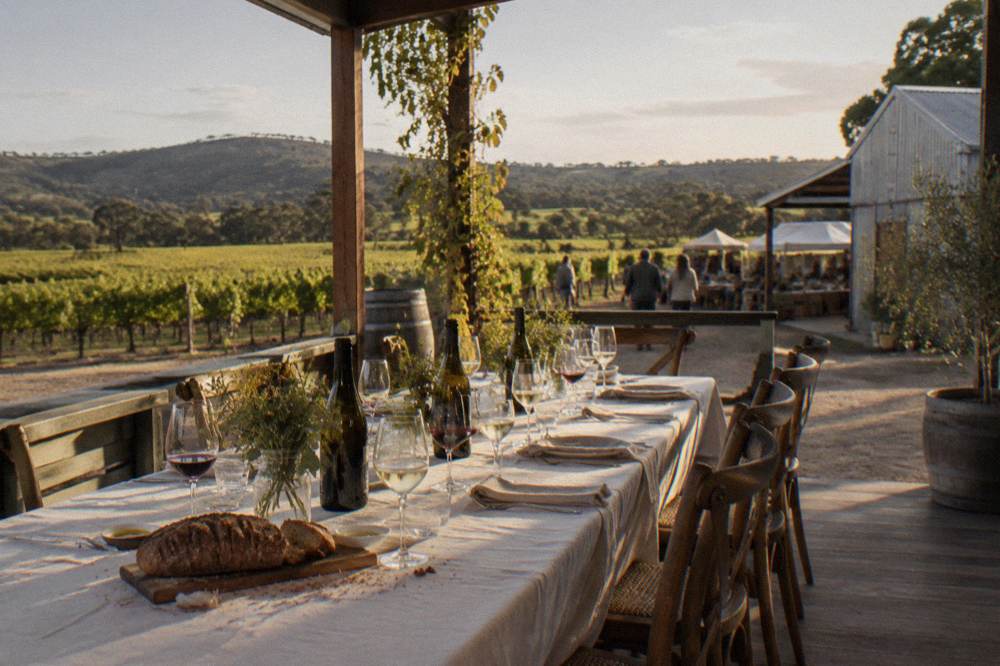
Basing in the Barossa has a practical advantage for tour takers. Several of the tours on this site pick up in the valley itself rather than only in Adelaide: the Barossa Valley Wine Experience with Lunch & Scenic Sights collects within the Barossa region only, from A$245 per person with lunch and tasting fees included, and the Wine Diva small-group day picks up from Adelaide, Glenelg and the Barossa Valley. A valley base means shorter days and later starts, which suits a two-region trip where you want energy left for the second half. For more on where to sleep, the where to stay in the Barossa Valley guide covers the three hotels the facts support naming.
For travellers who want the region to themselves rather than a shared coach, a private day is the other half of the picture. The Barossa Valley Private Luxury Tour Full Day runs from about A$375 per group with tasting fees at the operator's selected wineries included, pickup from your accommodation and a fully flexible, bespoke route. The Barossa Bespoke private discovery day, from A$750 per group for up to six, is another option, with Adelaide and Barossa pickup and a tailored route, though lunch and tasting fees are on you. Note the pricing basis: most private tours are priced per group, though the ExperienceSA private day is per person, so they are not directly comparable with the A$189 to A$245 per-person shared days without saying so.
Which Region Should You Actually Choose?
Choose Barossa if old-vine Shiraz heritage, over 150 wineries on the region's own count and a wide choice of bookable tours matter most; choose McLaren Vale if a shorter drive from Adelaide, a smaller region to cross and Grenache-led variety suit your day better. That is as far as the data will honestly stretch, and it is further than most comparisons go, because it is anchored to snapshot figures rather than adjectives. Neither region has a file-backed claim to being "the best", and any article that hands you a flat verdict without numbers is selling you a preference, not a fact.
For the Barossa chooser, the decision then becomes format, not region. The premium small-group day with the barrel room tasting and chocolate stop, at A$189 per person, is the natural fit for first-time visitors who want the full picture in one booking. The four-wineries clubhouse-lunch day at the same price point trades the chocolate stop for tasting fees included. The Wine Diva platter-lunch day at A$195 is the Glenelg-and-Barossa-pickup option. Whichever way you lean, checking availability on the operator's live listing before locking accommodation is the practical next step, since prices vary by date and group size and every figure here is a "from".
One last planning note on timing. The next Barossa Vintage Festival runs 21 to 25 April 2027, and if the harvest-season atmosphere appeals, that five-day window is the region at its most communal, with long lunches, masterclasses, markets, parades and concerts on the program per the festival's own page. Harvest itself runs about February to April, and the 2026 report describes a later-than-usual vintage with much of the crop in the winery before Easter. McLaren Vale runs its own vintage on a similar calendar, so the seasonal logic transfers between regions even where the tour line-ups do not. Whichever you choose, Barossa Valley Wine Tours keeps the verified prices, inclusions and cancellation terms for every product named here, refreshed against the live listings.
Common Questions About Barossa Versus McLaren Vale
Is Barossa Or McLaren Vale Better?
Neither is objectively better. Barossa Valley has more vineyard (11,609 ha against 7,438), a higher Shiraz share of crush (60 percent against 53) and documented old vines believed to date to the 1840s. McLaren Vale sits closer to Adelaide, roughly 40 minutes against about an hour, and offers a smaller, quicker region to cross. Choose by palate and time budget.
Is McLaren Vale Closer To Adelaide Than The Barossa?
Yes. Mapping sources put McLaren Vale about 40 minutes from Adelaide, while the Barossa's own tourism site describes the region as about an hour's drive, with Tanunda roughly that far from the city. Between the two regions, the drive is roughly 1.5 hours, hedged, since mapping sources vary with the start point.
Which Region Has The Older Vines?
The Barossa, on the documented record. Wine Australia lists the oldest continuously productive Shiraz vines as believed to date to 1843 at Langmeil and 1847 at Turkey Flat, both Barossa properties. No comparable old-vine claim appears in the McLaren Vale snapshot material.
Can You Tour Both Regions In One Day?
Not realistically with a booked tour. The regions sit roughly 1.5 hours apart by car, and the Barossa tour days listed here run about eight hours each. With two or more days you can base in one and day-trip to the other, or look at a combined-region tour product.
What Does A Barossa Wine Tour Cost?
Across the tours on this site, prices start at A$100 per person for the hop-on hop-off bus with no meal, sit between A$175 and A$245 for shared and small-group days that include lunch, and climb to private days priced per group, such as about A$375 per group for a flexible luxury day. Prices vary by date and group size, so treat every figure as a "from".
Do Barossa Tours Include Pickup And Lunch?
Only where the listing says so. Across the 26 tours listed here, 17 include lunch and 18 mention pickup in some form, though the details vary from tour to tour. Always read the specific tour's inclusions before assuming either.