What Is The Best Wine Region In South Australia?
Four South Australian wine regions compared from Wine Australia's own snapshot data: Barossa Valley, McLaren Vale, Clare Valley and Eden Valley, with what the numbers say each is known for.
South Australia makes more wine than any other state, and four of its regions sit within about ninety minutes of Adelaide. The honest answer to which one is best is that the data crowns each of them in a different event. The Wine Australia region snapshots show Barossa Valley leading on volume of Shiraz, McLaren Vale running 91 percent red varieties, Clare Valley leaning on Riesling, and Eden Valley splitting almost evenly between red and white at altitude. This site covers the Barossa, so the comparison below ends where most of our readers end: on a Barossa tour with a driver, a lunch and a glass of something the region is famous for. Once you've settled on the Barossa, our guide to the most famous winery in the Barossa Valley helps you decide which cellar door deserves the first stop on your tour.
What Is The Best Wine Region In South Australia?
There is no single best region in the official data, there are four regions that each lead a category. Barossa Valley crushed an estimated 48,183 tonnes in 2026 with Shiraz at 60 percent of that, while McLaren Vale runs 91 percent red, Clare Valley plants 35 percent Riesling and Eden Valley grows Riesling at 28 percent. The best region depends on which number matches your glass.
Every figure in that paragraph comes from Wine Australia's own region snapshots, which is the only like-for-like comparison available. The snapshots measure hectares under vine, the red and white split, the leading varieties, crush tonnage and elevation. They do not score charm, food scenes or cellar door hospitality, which is why any article declaring one region "the best" outright is really just telling you what its writer drank last weekend.
What the snapshots do reward is pattern spotting. Barossa Valley and McLaren Vale are both Shiraz engines, but the Barossa grows more of it in absolute tonnes and in share, 60 percent against McLaren Vale's 53 percent. Clare and Eden Valley, the two cooler regions, both put Riesling near the top of their variety tables, which is no accident: Riesling loves altitude and a long, slow ripening season. If you already know you drink mostly big reds, two of these regions will suit you and two will surprise you.
The practical layer matters just as much. The Barossa is about an hour's drive north-east of Adelaide according to the regional tourism body, while McLaren Vale sits closer to the city, roughly forty minutes to the south. Clare Valley is another ninety minutes or so beyond the Barossa, which makes it a harder day trip and an easier second night. We compared the four in detail below, and if you want the short version, most travellers with one free day in Adelaide end up in the Barossa or McLaren Vale, and the Barossa has the deeper tour line-up of the two.
For that one-day traveller, the Premium Barossa Small Group Tour is the listing we would point at first: eight hours, from A$189 per person, hotel pickup, a regional platter lunch, and a private barrel room tasting at sixth-generation Kies Family Wines. It carries a 4.9 rating from 1,697 reviews, the largest review pool of any tour listed on this site. One guest review sums up the format: "Amazing tour! Great guide, Sara, was lots of fun & had loads of great info about the areas we visited! All the vineyards were lovely and gave great info about their winemaking processes and local areas."
What Is Each Region Known For In The Numbers?
Barossa Valley is known for Shiraz at scale, 11,609 hectares under vine and Shiraz 60 percent of the 2026 crush. McLaren Vale is known for a 91 percent red planting on 7,438 hectares near the coast. Clare Valley is known for Riesling at 35 percent of plantings on 5,093 hectares, and Eden Valley for Riesling and Shiraz at 28 and 25 percent on 2,169 hectares of high country.
Those four sentences are the entire argument, and the table below shows the full picture from the same Wine Australia snapshots. Read the elevation column as a proxy for style: the Barossa Valley floor sits between 112 and 596 metres, McLaren Vale runs from close to sea level to 417 metres, and Eden Valley climbs to 632 metres. Higher and cooler generally means white varieties hold their acid longer and reds ripen later, which is why Eden Valley's Riesling share rivals its Shiraz while the Barossa floor grows dense, full-bodied reds.
| Region | Hectares under vine | Red share | Leading varieties | 2026 crush (est.) | Area / elevation |
|---|---|---|---|---|---|
| Barossa Valley | 11,609 ha | 90% | Shiraz 60%, Cabernet 18%, Grenache 9% | 48,183 t | 590 km2, 112 to 596 m |
| McLaren Vale | 7,438 ha | 91% | Shiraz 53% | 31,736 t | 440 km2, 0 to 417 m |
| Clare Valley | 5,093 ha | 72% | Riesling 35%, Shiraz 30% | 15,183 t | 690 km2, 190 to 609 m |
| Eden Valley | 2,169 ha | 53% | Riesling 28%, Shiraz 25% | 7,289 t | 600 km2, 219 to 632 m |
A few things the table hides. The Barossa Valley is only half of the Barossa zone; its neighbour Eden Valley carries the other half of the GI zone recognised in 1997, and the two share wineries, cellar doors and the same road network. McLaren Vale's zero-metre minimum elevation reflects vines that run down toward Gulf St Vincent, a maritime influence none of the other three has. And Clare Valley's 72 percent red share, the lowest of the warm regions, is the statistical fingerprint of a region that took Riesling seriously while still growing plenty of Shiraz.
Wine Australia's variety pages add one more layer the snapshots cannot: history. The organisation records the oldest continuously productive Shiraz vines "believed" to date to 1843 at Langmeil in the Barossa and 1847 at Turkey Flat, also in the Barossa. Those two vineyards are part of why the Barossa's reputation rests on old-vine Shiraz specifically, and why a region twice the vineyard area of Eden Valley can still feel like the specialist. The full national picture is on Wine Australia's Shiraz page.
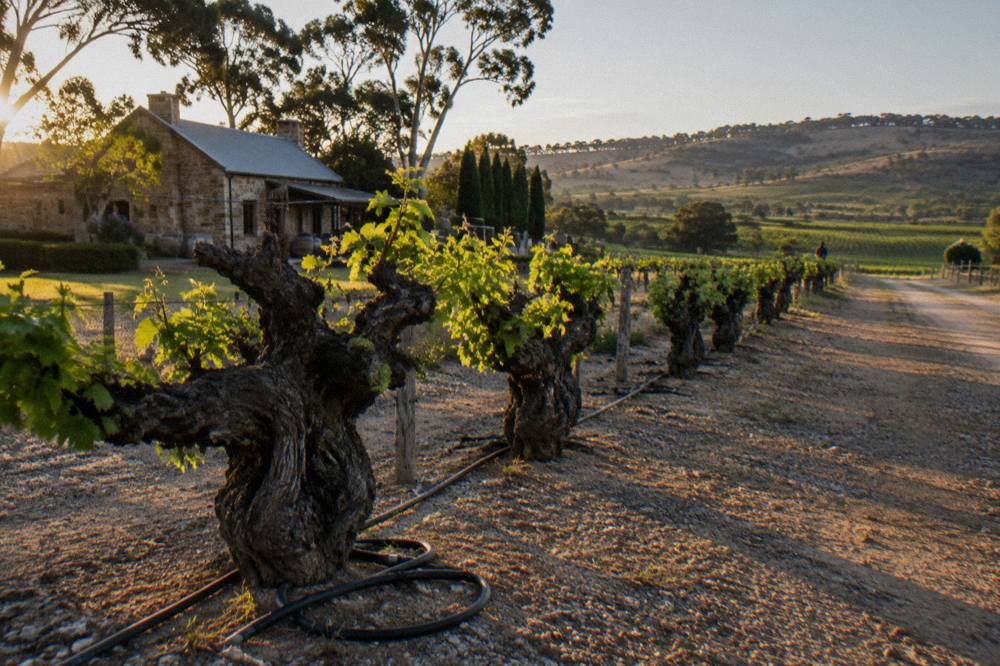
For visitors, the variety mix translates directly into what a tasting room pours. A Barossa tasting flight leans hard into Shiraz, Grenache and Mataro, with fortified styles from the long-established producers. A Clare flight will almost always open with a Riesling, and an Eden Valley flight will happily pour Riesling before and after the reds. McLaren Vale tastes closest to the Barossa in style but with more Italian varieties scattered through the lineup.
Barossa Valley Or McLaren Vale: Which Sits Closer To Adelaide?
McLaren Vale sits closer to Adelaide, roughly forty minutes south of the city against roughly an hour north-east to the Barossa's main town of Tanunda, per the regional tourism body's own drive-time guidance. Neither region has a practical direct public transport option for a day of tasting, so most visitors drive themselves or book a tour with a driver. The closeness gap is real but small enough that tour depth usually decides it.
Both regions are warm-climate Shiraz country, so the choice usually comes down to logistics and what else is nearby. McLaren Vale's coast, with beaches at the end of some vineyard roads, gives it a different backdrop. The Barossa pairs its vines with German-settled heritage towns, a bigger concentration of well-known historic estates such as Seppeltsfield (established 1851) and Chateau Tanunda, and the food layer around Maggie Beer's Farm Shop. We compared the two regions head to head in the blog post is Barossa or McLaren Vale better, which goes deeper on style and price than the snapshots can.
The tour depth argument is not opinion, it is inventory. Among the tours listed here alone, the Barossa offers small group days from A$100 per person on the hop-on hop-off bus through to private full-day charters, plus helicopter flights and a guided e-bike day. The Barossa Valley Hop-On Hop-Off Wine Tour is the budget anchor of that range: from A$100 per person, rated 4.9 from 442 reviews, eight hours of transport between wineries with an air-conditioned vehicle and bottled water. Tasting fees and lunch are not included, so it suits travellers who want to pick their own cellar doors.
Mapping sources put the Barossa to McLaren Vale drive at roughly an hour and a half, and the Barossa to Clare Valley at about the same, which means a determined visitor can sample two regions across two days from a Barossa base. Hahndorf in the Adelaide Hills is under an hour from the Barossa, which is exactly why several of the tours listed here pair the two. The Hahndorf and Barossa gourmet day from Benders Bus Tours calls in at Beerenberg Farm, Kies Family Wines and Seppeltsfield, gourmet lunch included, from A$175 per person.
The drive-time question also carries a legal edge. Full licence holders in South Australia must not drive with a blood alcohol concentration of 0.05 or more, and police can run random breath testing near any road. The state's driver handbook sets out the rules at mylicence.sa.gov.au. Four cellar doors in a day is a serious tasting load, and it is the single strongest argument for taking a tour in any of these regions rather than self-driving.
Is Clare Valley Better For Riesling Lovers?
Yes, on the numbers Clare Valley is Australia's Riesling region, with Riesling at 35 percent of its 5,093 hectares under vine against Shiraz at 30 percent. It crushed 15,183 tonnes in 2026, roughly a third of the Barossa Valley's tonnage, and its 72 percent red share shows it is still a substantial red region too. For a Riesling-first itinerary, Clare is the specialist; for everything else, it is a beautiful detour. If Clare's scale next to Barossa has you wondering how the bigger region holds up, the data-led verdict on whether Barossa wine is actually good weighs its Shiraz dominance and old-vine reputation against the latest vintage results.
Clare's profile is unusual among warm Australian regions because its signature variety is white. That shows up in the tasting room experience: Clare cellar doors open with Riesling, often from several sub-districts, and the region's Riesling trail cycling route connects the main towns through the vines. It is the kind of region that rewards a slower, two-day visit rather than a dash from Adelaide, which is roughly three hours away by car via the Barossa.
What Clare cannot match is the density of bookable, lunch-inclusive day tours that the Barossa offers, simply because it is further out and smaller in visitor infrastructure. The comparison is not a criticism. If your palate runs to crisp, bone-dry whites and you have two days, Clare deserves them. If you have one day, a shared dislike of long transfers, or a group with mixed tastes, the 26 tours on this site, priced from A$100 to about A$825, give you far more formats to choose from: coach days, max-6 small group days, private charters, gin and wine combos, and scenic helicopter flights.
What About Eden Valley, The High-Country Neighbour?
Eden Valley is the quiet achiever of the four: 2,169 hectares at 219 to 632 metres elevation, Riesling 28 percent and Shiraz 25 percent, a near even 53 percent red split, and 7,289 tonnes crushed in 2026. It shares wineries, roads and cellar doors with the Barossa Valley as the second half of the Barossa zone, so most visitors taste Eden Valley without ever planning a separate trip there.
That shared zone is the practical point. Several producers make both Barossa Valley and Eden Valley wines, and the high-country Rieslings often appear on the same tasting sheets as the valley-floor Shiraz. A visitor doing a structured tasting at a historic estate in the Barossa is frequently drinking Eden Valley fruit two wines later. The region's elevation gives it the coolest growing conditions of the four compared here, and that is what keeps Riesling competitive with Shiraz in its variety table.
For tour purposes, Eden Valley is folded into Barossa itineraries rather than sold separately. There is no standalone Eden Valley tour in the line-up here, and that mirrors the wider market: the area's wineries are visited on Barossa routes. If high-country Riesling is your priority, say so to the guide or read the stops named on the listing before booking: each tour goes only to the stops spelled out there. Our guide to the wineries of the Barossa region covers which estates sit where.
Which Region Suits Which Kind Of Traveller?
Match the region to your glass and your calendar. One day from Adelaide and a red drinker: Barossa Valley or McLaren Vale. Two days and a Riesling devotee: Clare Valley. Curious about everything: the Barossa, because Eden Valley's Rieslings arrive on the same tasting sheets. Groups and first-timers consistently land on the Barossa because the tours listed here span the widest range of prices and formats.
The format question deserves its own table, because within the Barossa alone the options stretch from a self-guided food and wine trail at A$90 per person to a private helicopter flight at A$825 per group. This is the spread no other South Australian region matches on a single booking shelf.
| Traveller type | Region that fits | A Barossa option from these tours |
|---|---|---|
| First-time visitor, one day, wants it organised | Barossa Valley | Premium Small Group, from A$189 pp, 8 hours, lunch and pickup included |
| Budget traveller happy to self-direct | Barossa Valley | Hop-On Hop-Off bus, from A$100 pp, tastings and lunch not included |
| Riesling-focused taster with two days | Clare Valley | No tours on this site cover Clare, so you would need to visit independently. |
| Coastal scenery with reds | McLaren Vale | No direct match among the tours on this site; Barossa helicopter flights offer the aerial alternative |
| Couple wanting privacy | Barossa Valley | Barossa Discovery Day private tour, from A$750 per group (up to 6) |
| Active traveller | Barossa Valley | Guided e-bike day from about A$335 pp, 6 hours 30 minutes, artisan platter lunch |
The private and luxury end is worth a sentence of its own, because the Barossa Bespoke private discovery day, rated 5.0 from 63 reviews at from A$750 per group for up to six, is the kind of flexible tailored product that simply does not exist at scale in the smaller regions. One guest review on that tour reads: "Kym was very knowledgeable about the area and wines. He took us to amazing wineries and booked us the perfect spot for lunch. We learned so much and bought so much wine. 10/10 recommend." The price is per group, not per person, which is the comparison trap to watch: never weigh a per-group price against a per-person price without saying the basis.
How Do You Turn A Region Choice Into A Tour Booking?
Pick the region by the grape varieties you love, then pick the format from each tour's own details: who picks you up, whether lunch is included, and whether tasting fees are covered. Across the Barossa line-up, 18 of the 26 tours on this site state pickup in some form and 17 include lunch, but only six list tasting fees as included, so check each tour page rather than assuming. The listing, not the tour's name, is the contract. If the name itself has you curious, the origin of the word Barossa explains how a Spanish ridge and a clerical slip gave the region its name.
That last point catches people out. A tour called "All Inclusive" does not necessarily state that tasting fees are included; the listing leaves that detail unstated. Conversely the Barossa Valley Cellar Door Small Group Tour from CP Tours, from A$189 per person with hotel pickup and return, states both standard tasting fees and a Tanunda Clubhouse lunch in its inclusions, rated 4.8 from 545 reviews. Cancellation terms vary listing by listing too: the Premium Small Group tour allows free cancellation up to 24 hours before departure, while the Voyager small group tour lists no standard refund window at all, so the terms on the live booking page are the only ones that count.
The comparison method in this article works for any wine country. Pull the official region snapshot, look at the variety shares, check the red and white split, and match it to what you actually drink. Then let drive times and tour inventory break the tie. For South Australia the answer keeps coming back the same for most visitors: the Barossa's depth of Shiraz, its old vines believed to date to the 1840s, its heritage towns and its unmatched line-up of bookable tours make it the region with the most ways in. Barossa Valley Wine Tours exists to sort those ways in, and the planning guide at Barossa wine tours from Adelaide is the natural next read.
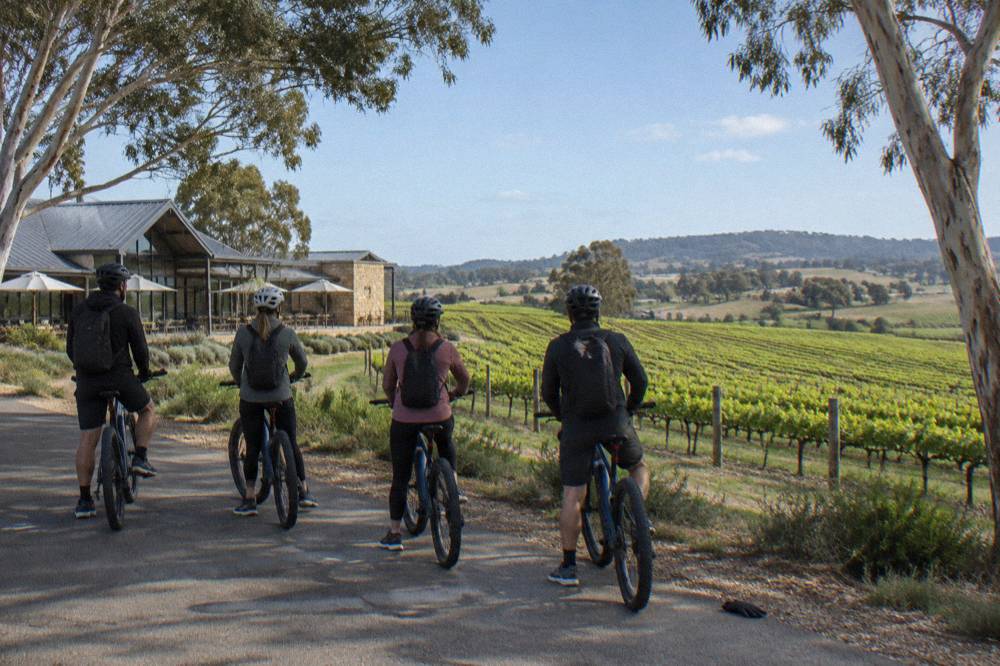
For travellers who want the region's full story in one day, the trio below covers the three most common briefs: the premium small group day with lunch and a chocolate stop, the four-winery cellar door day with fees and lunch included, and the Hahndorf combination for visitors who want two regions in one trip.
Common Questions About South Australia's Wine Regions
What Is The Best Wine Region In South Australia?
There is no single best in the official data. Barossa Valley leads on Shiraz at 60 percent of its 48,183 tonne crush, McLaren Vale is 91 percent red varieties, Clare Valley plants 35 percent Riesling, and Eden Valley splits nearly evenly between Riesling and Shiraz at altitude. The best region is the one whose leading variety matches what you drink.
Is Barossa Valley better than McLaren Vale?
They are both warm Shiraz regions. The Barossa grows more Shiraz by share and tonnage and has the older documented vines, believed to date to 1843 and 1847, while McLaren Vale sits closer to Adelaide at roughly forty minutes against about an hour, and adds a coastal backdrop. Tour depth is deeper in the Barossa.
Which South Australian region is best for Riesling?
Clare Valley, on the numbers: Riesling is 35 percent of its vineyard area against Shiraz's 30 percent. Eden Valley is second, with Riesling at 28 percent of its plantings, and its wines are commonly poured at Barossa cellar doors since the two form one GI zone.
How far is the Barossa Valley from Adelaide?
About an hour's drive to Tanunda per the regional tourism body, with no toll roads. There is no direct rail into the Barossa; public transport runs train to Gawler then a connecting bus to Tanunda, Nuriootpa and Angaston, roughly two and a half hours with a change.
Can you visit two wine regions in one day?
Realistically no, not for tasting. Barossa to McLaren Vale and Barossa to Clare Valley are each roughly an hour and a half by car, so two regions means two days. Hahndorf in the Adelaide Hills sits under an hour's drive from the Barossa, and several tours listed here pair the two regions with lunch included.
Do you need a tour or should you drive yourself?
Drive yourself only if someone in the group will not taste, since the limit is 0.05 blood alcohol and police can breath test anywhere. Otherwise a tour with a driver is the safer format. In the Barossa the tours on this site run from A$100 per person on the hop-on hop-off bus to private charters, and 18 of the 26 advertise pickup while 17 include lunch.