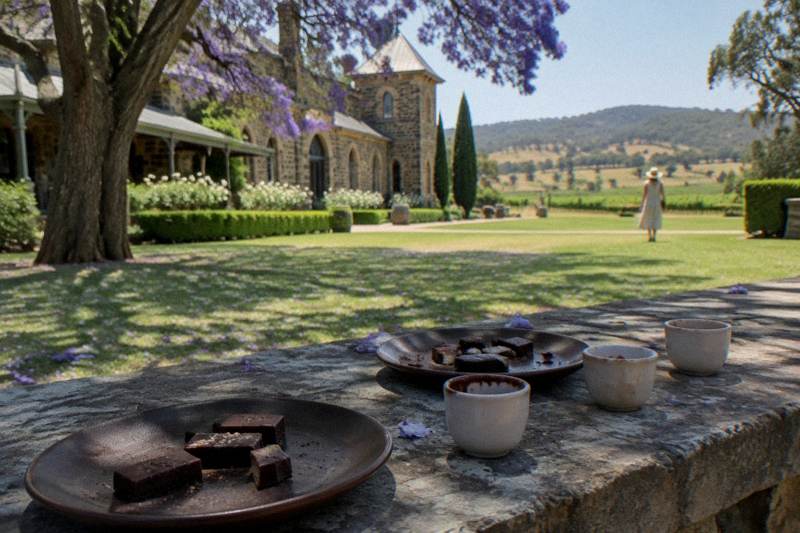
Why Is The Barossa Valley So Famous?
The Barossa Valley is famous for old Shiraz vines believed to date to the 1840s, over 150 wineries, 1850s wine heritage and a name coined in 1837. Here is what actually made it famous.
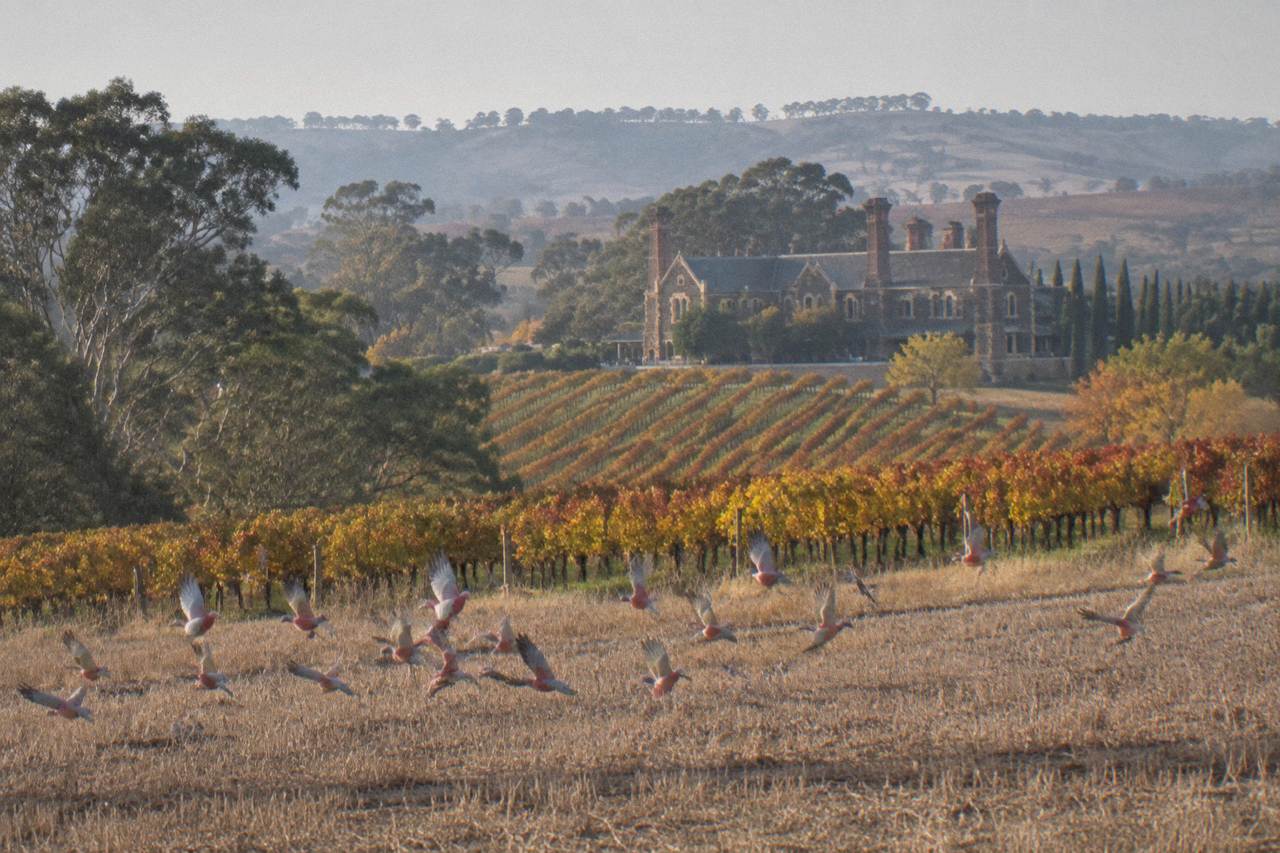
The Barossa Valley is famous because it holds one of the world's oldest surviving Shiraz vineyards, believed to date to 1843, inside a region of over 150 wineries that sits about an hour's drive from Adelaide. Its wine heritage runs back to the 1850s, its name back to 1837, and its reputation rests on full-bodied reds from old vines rather than on marketing. The numbers explain the rest: Shiraz alone made up 60 percent of the region's crush tonnes in the 2026 Wine Australia snapshot, and the Barossa was officially recognised as a Geographical Indication zone in 1997. To taste that old-vine character for yourself, our guide to the Barossa cellar doors that tours actually visit picks out the wineries worth building a day around.
That is the short answer. The longer one is a story about Prussian settlers, a clerical error, vines that outlived their planters, and a tourism machine that grew around all of it. Fame-driven readers usually arrive here with a vague sense that the Barossa matters and no clear idea why. The sections below lay out the evidence, figure by figure, and then point to the practical question that follows: how to actually taste the place, whether on a small-group day tour such as the Premium Barossa Small Group Tour with its barrel room tasting at Kies Family Wines, or on a self-guided drive between cellar doors.
Why Is The Barossa Valley So Famous?
The Barossa is famous for three verifiable reasons: it holds Shiraz vines believed to date to 1843 and 1847, among the oldest surviving in the world; it carries 1850s wine heritage led by estates such as Seppeltsfield, established 1851; and it packs over 150 wineries into a region just an hour from Adelaide. Add a Geographical Indication zone officially recognised in 1997 and a 2026 crush in which Shiraz accounted for 60 percent of tonnes, and the fame stops being folklore and becomes a documented record. Very few wine regions anywhere can point to a continuous winemaking line this long on this scale.
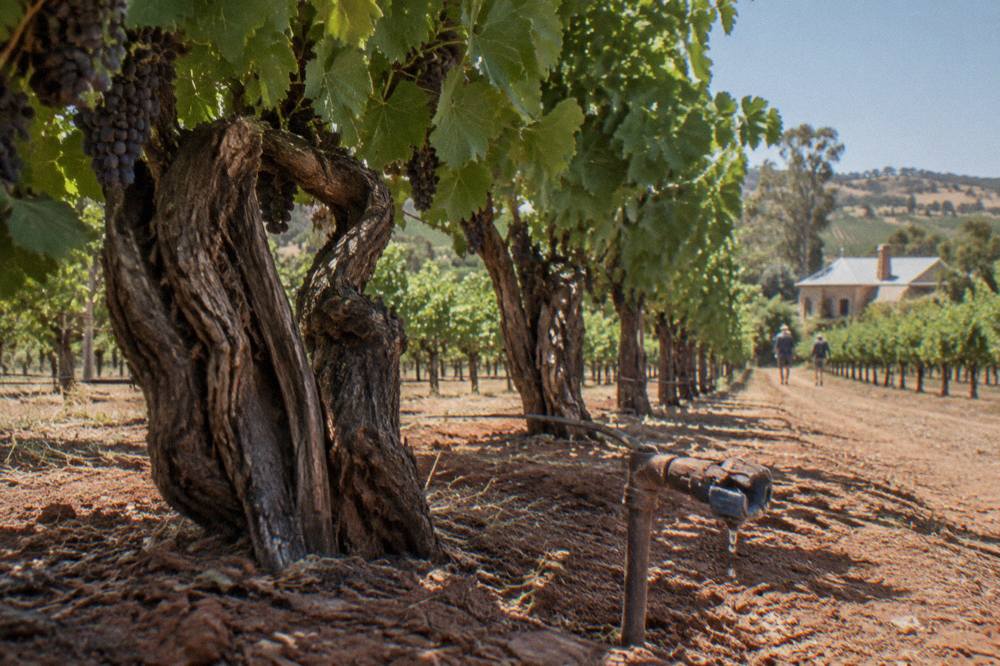
Start with the vines, because they are the foundation. Wine Australia's own Shiraz page names the oldest continuously productive Shiraz vines as those "believed" to date to 1843 at Langmeil and 1847 at Turkey Flat, both in the Barossa. The word "believed" matters: even the official record keeps it hedged. Langmeil, founded in 1842, calls its Freedom 1843 block what is believed to be the world's oldest surviving Shiraz vineyard. Surviving is the key word. Phylloxera devastated vineyards across most of the wine world and never took hold in South Australia, which is why these blocks still stand where equivalent vines overseas do not.
Then there is scale. Barossa Australia's own figure for the region is over 150 wineries, spread across a zone of 14,222 hectares under vine. The Barossa Valley floor alone carries 11,930 hectares, with the Eden Valley, the zone's second region, adding another 2,292. High Eden is the only declared sub-region. This is not a boutique curiosity; it is one of the significant red-wine engines of Australia, 90 percent planted to red varieties in the Barossa Valley according to the 2026 snapshot.
Fame also compounds. A region that has been making wine since the 1850s accumulates families, stories, stone buildings and returning visitors in a way a young region cannot. The Barossa's German and Prussian settler heritage gave it distinct food traditions, its own dialect remnants and towns like Tanunda and Bethany, the first major European settlement in the Barossa, in 1842. The wine came first, the fame followed, and the tourism industry followed that.
What Makes Barossa Shiraz And Its Old Vines So Significant?
Shiraz is the region's signature grape by a wide margin: 60 percent of Barossa Valley crush tonnes in the 2026 Wine Australia snapshot, with Cabernet at 18 percent and Grenache at 9 percent, and 90 percent of the region's plantings red varieties. The significance comes from the age of the vines and the style they produce: full-bodied reds from low-yielding old blocks, the kind of fruit that cannot be replicated by planting new. The oldest of those blocks are believed to date to the 1840s, which puts them among the oldest producing vines on earth.
The 2026 vintage report, written by Louisa Rose of Hill-Smith Family Estates for the regional body, described a difficult but high-quality season: yields considerably below average after a third dry year in a row, and reds that came out concentrated and textural. Her verdict was direct: "the standout of 2026 so far is Shiraz". A region famous for Shiraz that then produces a standout Shiraz vintage, on reduced volume, does its reputation no harm at all. Scarcity plus quality is the combination wineries dream about.
The grape share table tells the structural story. This is not a region experimenting across dozens of varieties; it is a region that bet on Shiraz and its red companions nearly two centuries ago and kept the bet.
| Variety | Share of Barossa Valley crush tonnes (2026 snapshot) |
|---|---|
| Shiraz | 60 percent |
| Cabernet Sauvignon | 18 percent |
| Grenache | 9 percent |
| Chardonnay | 2 percent |
| Mataro | 2 percent |
| All red varieties | 90 percent |
Old vines matter because they produce less fruit of greater concentration, and because they cannot be created on demand. A vineyard planted in 1843 has survived droughts, depressions, two world wars and every swing of fashion in wine. Wineries such as Langmeil build their identity around that survival, and visitors respond to it: standing next to a vine older than the building you had lunch in is a genuinely rare experience in the wine world. The Barossa Valley Shiraz guide unpacks the styles and the estates in more depth.
For travellers, the practical version of this significance is tasting rooms built around those vines. The eight-hour Premium Barossa Small Group Tour includes a private barrel room tasting at sixth-generation Kies Family Wines, a working example of the multi-generation family winery the region is famous for. One guest review on the listing puts it plainly: "Amazing tour! Great guide, Sara, was lots of fun & had loads of great info about the areas we visited! All the vineyards were lovely and gave great info about their winemaking processes and local areas."
How Deep Does The Barossa's Wine Heritage Go?
The Barossa's winemaking heritage runs remarkably deep, stretching all the way back to the 1850s. Seppeltsfield, established in 1851, still operates as a working estate today and maintains its Centennial Cellar of century-old fortified wine, a living link to the region's earliest days. Settlement and winemaking began in the same decade pair: Bethany was founded in 1842, Langmeil in 1842, and the first vines followed soon after in the 1840s. That gives the region a continuous winemaking record approaching two centuries, longer than almost any wine region outside Europe and longer than many inside it.
Seppeltsfield is the clearest single example. Established in 1851, the estate is marking its 175th anniversary with a series running across four Fridays in November 2026, and its cellar door still pours tawny from barrels laid down across consecutive vintages, including the 100 Year Old Signature Experience, listed on the regional tourism site at about A$339 with a tasting of 100-year-old Para Tawny direct from barrel and a multi-course lunch at FINO Seppeltsfield. Tasting fees apply at the cellar door and group tastings are limited to 6 people, so the estate is not a drop-in free-for-all; it functions more like a heritage site that pours wine.
The heritage is also architectural and familial. Chateau Tanunda, a stop on several of the tours listed on this site, is one of the historic buildings visitors mean when they describe the Barossa as feeling old. Yalumba, appearing on both the premium small-group tour and the guided e-bike tour, is another multi-generation family firm. The pattern repeats across the region: names on cellar doors today are often the names on the founding documents.
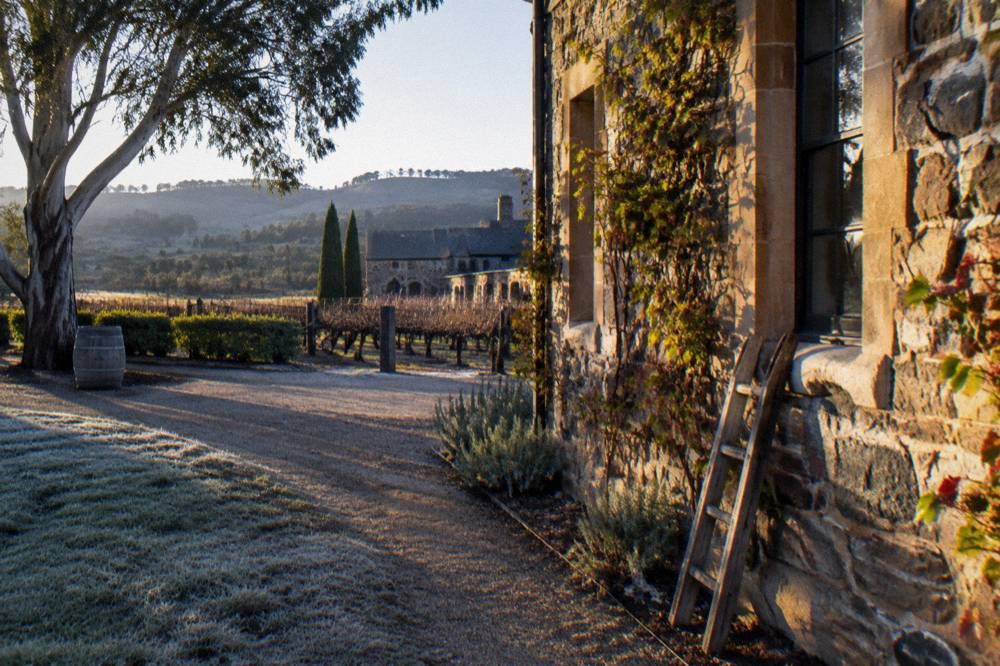
Festival culture grew out of that heritage. The next Barossa Vintage Festival runs 21 to 25 April 2027, with long lunches, masterclasses, markets, parades and concerts celebrating vintage, an event with decades of history behind it. A region confident enough to build a festival around its own harvest is a region whose fame and heritage reinforce each other. Readers planning around the festival window should read the Barossa Vintage Festival 2027 and harvest season guide, which covers what runs when and what a harvest-time visit actually looks like.
Why Does Being An Hour From Adelaide Matter So Much?
Being about 70 km north-east of Adelaide, a drive the region's tourism body describes as just an hour, means the Barossa works as an easy day trip: visitors can leave the city in the morning, spend the day among the wineries, and be back by evening, all on a toll-free route that keeps costs and planning simple. That proximity is a large part of the fame equation: a world-class old-vine region that a state capital can reach on a day trip is rare, and it is why so many visitors can taste the place without booking accommodation. It is also why the day-tour market here is so developed, with small-group coaches, private sedans and hop-on hop-off buses all running the corridor.
Compare the neighbours on the same measure. McLaren Vale sits closer to Adelaide, roughly 40 minutes, against roughly an hour for the Barossa, and holds over 80 wineries of its own. The Barossa to McLaren Vale drive is about an hour and a half, the Clare Valley about the same, and Hahndorf in the Adelaide Hills under an hour from the valley. The point is not that the Barossa is remote; it is that it is close enough to be famous among people who would never plan a remote trip. The wider set of guides lives on Barossa Valley Wine Tours.
The drive itself is part of the story. There is no direct rail into the Barossa: the train ends at Gawler, then a LinkSA bus route runs to Tanunda, Nuriootpa and Angaston, roughly two and a half hours with a change. So almost everyone arrives by road, past the Adelaide Plains and into the vineyards, which concentrates arrival through a handful of scenic approaches and makes the first sight of the valley floor a shared experience.
For visitors who would rather not drive at all, the day tours from Adelaide listed here are the practical answer, and the reasons go beyond convenience. South Australian law sets the legal blood alcohol limit for full licence holders at 0.05, a first offence under 0.08 brings an expiation notice and 4 demerit points, and police can run random breath testing near any road. A day of cellar doors adds up quickly. The Adelaide to Barossa Valley getting there guide covers the routes, the public transport option and the drink-driving rules in full.
What Does The Barossa Name Actually Mean?
The name Barossa has no plain-English meaning: Colonel William Light named the Barossa Range in 1837 after the Barrosa ridge in Andalusia, site of an 1811 Peninsula War battle he fought in, and the modern spelling came from a clerical error. So the famous name is, quite literally, a misspelling of a Spanish hill commemorating an English battle, applied to a German-settled valley making Rhine-style wines. Few famous regions have a name with that much accidental history folded into eight letters. If you want the full story of how a Spanish hill came to name South Australian wine country, our guide to what Barossa actually means in English walks through every twist of the tale.
The detail is worth slowing down for. Light, the Surveyor-General of South Australia, chose the name for the range he saw from the Adelaide Plains. The Andalusian ridge was spelled Barrosa; somewhere in the colonial paperwork the second "s" became a second "a", and the error stuck. The region's tourism body tells this history on its own pages, and it is a genuine piece of information gain: most visitors assume the name is German, and it is not. The German heritage came with the settlers who gave the region its food culture, its villages and its Lutheran stone churches.
That double heritage, an English-Spanish name over Prussian settlement, produced the cultural mix people now travel for: wurst and Shiraz, pretzels and fortified tawny, a farmers market and a 100-year-old wine cellar. The fame of the Barossa is partly just the fame of that oddity surviving intact for well over a century and a half. Readers curious about the language side can read the separate piece on what Barossa means in English.
How Does The Barossa Compare With Its Famous Neighbours?
Against its South Australian neighbours, the Barossa is the largest by vineyard area and crush: 11,930 hectares under vine in the Barossa Valley against McLaren Vale's 7,438, the Clare Valley's 5,093 and the Eden Valley's 2,169, with an estimated 2026 crush of 48,183 tonnes. It is also the most Shiraz-dominant of the four at 60 percent of tonnes, ahead of McLaren Vale's 53 percent, and the only one whose oldest vines reach back to the 1840s. Fame follows those numbers.
The comparison below uses the Wine Australia region snapshots, which are the cleanest like-for-like source available. The Barossa's position is not that every measure is a record; it is that no other region in the state combines this scale, this grape focus and this vine age.
| Region | Hectares under vine | Dominant variety | Estimated crush (t) | Elevation range (m) |
|---|---|---|---|---|
| Barossa Valley | 11,930 | Shiraz (60 percent of tonnes) | 48,183 | 112 to 596 |
| McLaren Vale | 7,438 | Shiraz (53 percent) | 31,736 | 0 to 417 |
| Clare Valley | 5,093 | Riesling (35 percent) | 15,183 | 190 to 609 |
| Eden Valley | 2,169 | Riesling (28 percent) | 7,289 | 219 to 632 |
The Eden Valley row deserves a note, because it is administratively part of the same GI zone as the Barossa Valley. The zone was officially recognised in 1997 and contains both regions, which is why "Barossa" on a label can mean valley-floor Shiraz or high-country Riesling from the same zone. High Eden is the only declared sub-region within it. This structure is one more thing the Barossa has that most famous regions lack: two distinct wine regions under one famous umbrella name.
The Clare and McLaren Vale comparisons are fair comparisons rather than rivalries. McLaren Vale is closer to Adelaide and stronger on Grenache; the Clare Valley is Riesling country with a cooler profile. The Barossa, Clare Valley and McLaren Vale combined wine tours guide covers whether seeing more than one in a trip is realistic. For most first-time visitors with a single free day, the Barossa's combination of heritage scale and proximity wins on the arithmetic alone.
How Do You Experience The Famous Region First Hand?
The most practical way to experience what made the Barossa famous is a full-day tour from Adelaide: the tours listed here run from A$100 per person for the hop-on hop-off bus to A$189 per person for the Premium Barossa Small Group Tour, with private options from A$639 per group for up to 4 in a BMW sedan. Day tours solve the drink-driving question, bundle tasting fees at some operators, and put a guide between you and two centuries of history. The famous region becomes legible in a way a self-drive first visit rarely manages.
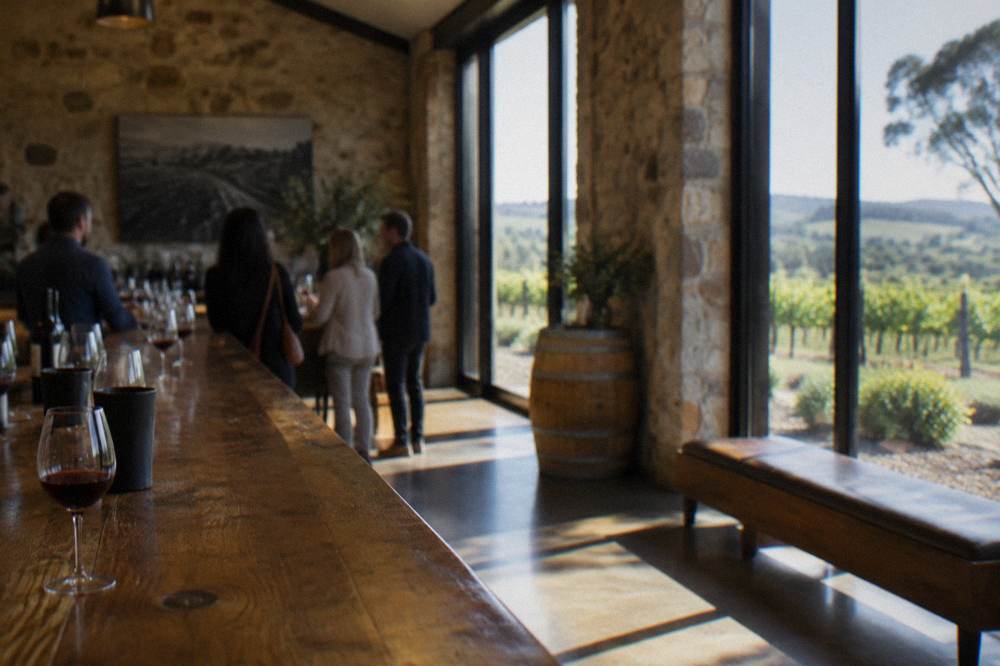
The format choice matters more than the specific operator. A small-group day such as the Barossa Valley Wine Tour with a maximum of 6 guests, from A$380 per person, includes tasting fees, a multi-course restaurant lunch and hotel pickup, and holds a 5 rating from 112 reviews. The Four Wineries Cellar Door Small Group Tour from CP Tours and Charters, from A$189 per person, includes standard tasting fees and a clubhouse lunch at The Tanunda Club, rated 4.8 from 545 reviews. The hop-on hop-off bus from Trail Hopper, from A$100 per person, includes transport and water only, with tasting fees and lunch at your own cost, and suits travellers who want to build their own route; one guest review recommends making Bethany Wines and Rusden Wines two of your stops.
Private formats answer a different question. The Barossa Discovery Day from Barossa Bespoke Tours runs from A$750 per group for up to 6 people, pickup included, lunch and tasting fees not included, a fully tailored eight-hour day rated 5 from 63 reviews. The Private Barossa Valley Wine Region Tour from Best Wine Tours puts up to 4 people in a BMW 5 series sedan for 5 hours from A$639 per group. Private per-group prices are never directly comparable with per-person day-tour prices; the basis differs, and the tours listed here show both plainly.
Beyond the bus and the cellar door, the famous region shows up in formats most visitors do not expect: a guided e-bike day along the sealed Barossa Trail with an artisan platter lunch and tastings at Yalumba, from about A$335 per person; a private trike tour for two from Barossa hotels, from about A$259 per group; and scenic helicopter flights from the Lyndoch area with commentary over the Whispering Wall and Chateau Tanunda, from A$275 per group for up to 3 on the 10-minute flight. Readers weighing the full set of options can start with the things to do in the Barossa Valley guide or compare the small-group Barossa tours hub against the private options.
Whichever format fits, the underlying advice is the same: book the wineries or the tour that reaches the oldest vines and oldest estates, because that is the fame you came for. A visitor can taste good Shiraz in a dozen countries. Tasting it from vines believed to predate the federation of Australia, in a region named by accident in 1837, is the thing the Barossa alone offers, and it is why the question in this article's title has such a long answer.
Common Questions About Barossa Valley Fame
Why Is The Barossa Valley So Famous?
The Barossa is famous for old Shiraz vines believed to date to 1843 and 1847, over 150 wineries, wine heritage running to the 1850s led by Seppeltsfield, established 1851, and a location about an hour's drive from Adelaide. Shiraz made up 60 percent of the region's crush tonnes in the 2026 Wine Australia snapshot.
What Is The Oldest Vineyard In The Barossa Valley?
Langmeil, founded in 1842, is home to what is believed to be the world's oldest surviving Shiraz vineyard, the Freedom 1843 block. Turkey Flat's vines are believed to date to 1847. Wine Australia's own Shiraz page carries both claims with the word "believed", and the Barossa keeps that hedging in honest copy.
How Many Wineries Does The Barossa Have?
Barossa Australia's own figure is over 150 wineries. There is no separate official cellar-door count, so treat 150-plus as the region's number and expect a subset of those wineries to run cellar doors with tasting fees, typically in the range of roughly A$10 to A$30 per person for a standard flight, varying by cellar door.
Is The Barossa Valley The Same As The Barossa Zone?
No. The Barossa Geographical Indication zone, officially recognised in 1997, contains two regions: the Barossa Valley and the Eden Valley. High Eden is the only declared sub-region. The zone holds 14,222 hectares under vine, of which the Barossa Valley accounts for 11,930.
Where Does The Name Barossa Come From?
Colonel William Light named the Barossa Range in 1837 after the Barrosa ridge in Andalusia, the site of an 1811 Peninsula War battle he fought in. The spelling with a second "a" came from a clerical error, and the name has no plain-English meaning.
Do You Need A Tour To Visit The Famous Barossa Wineries?
No, but a tour removes the drink-driving question, since the legal limit for full licence holders is 0.05 and police can run random breath testing near any road. Day tours from Adelaide start at A$100 per person for the hop-on hop-off bus, and the Premium Barossa Small Group Tour runs from A$189 per person with lunch and hotel pickup included.